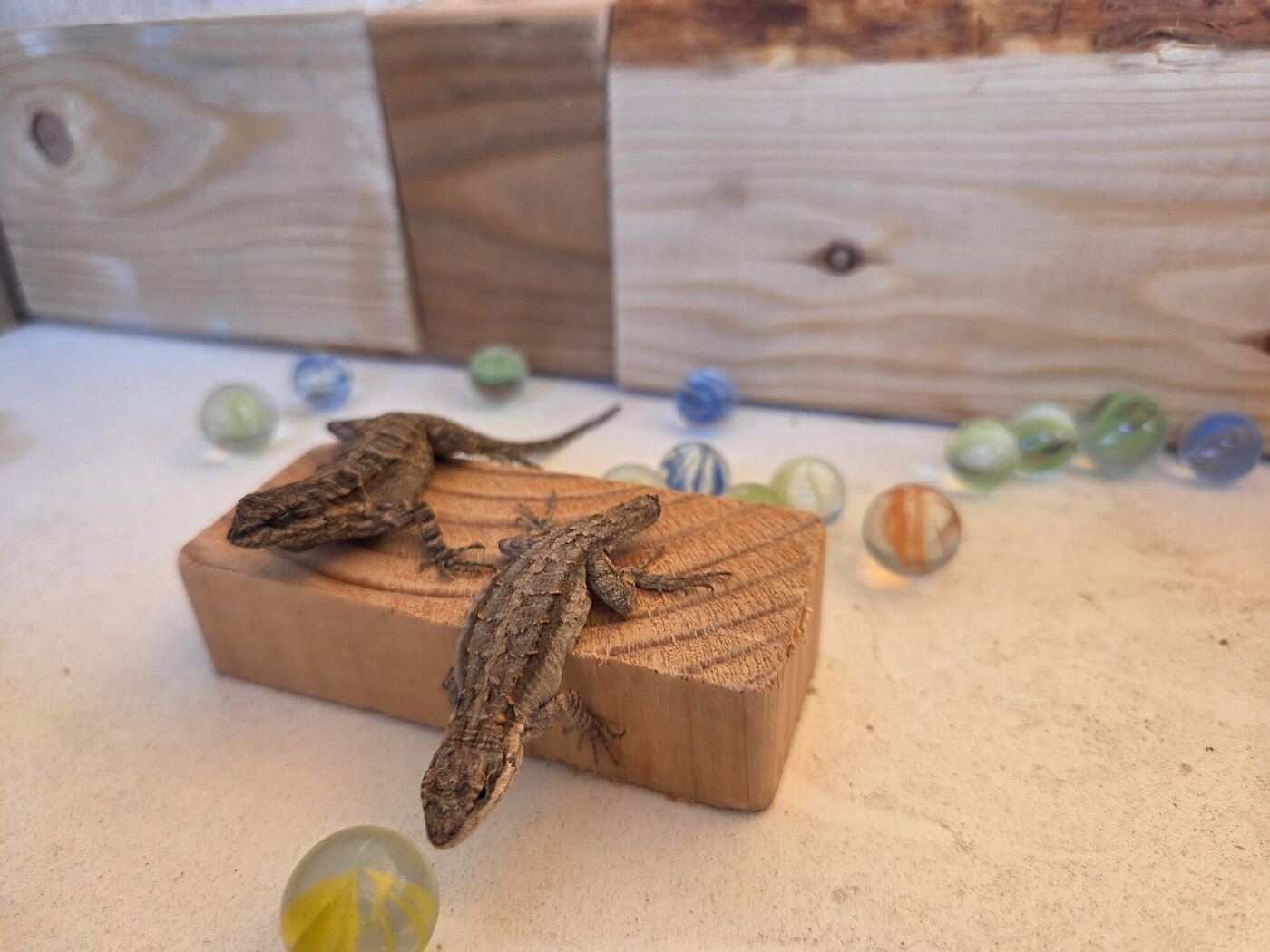
Two lizards on a block of wood in a sand box scattered with marbles
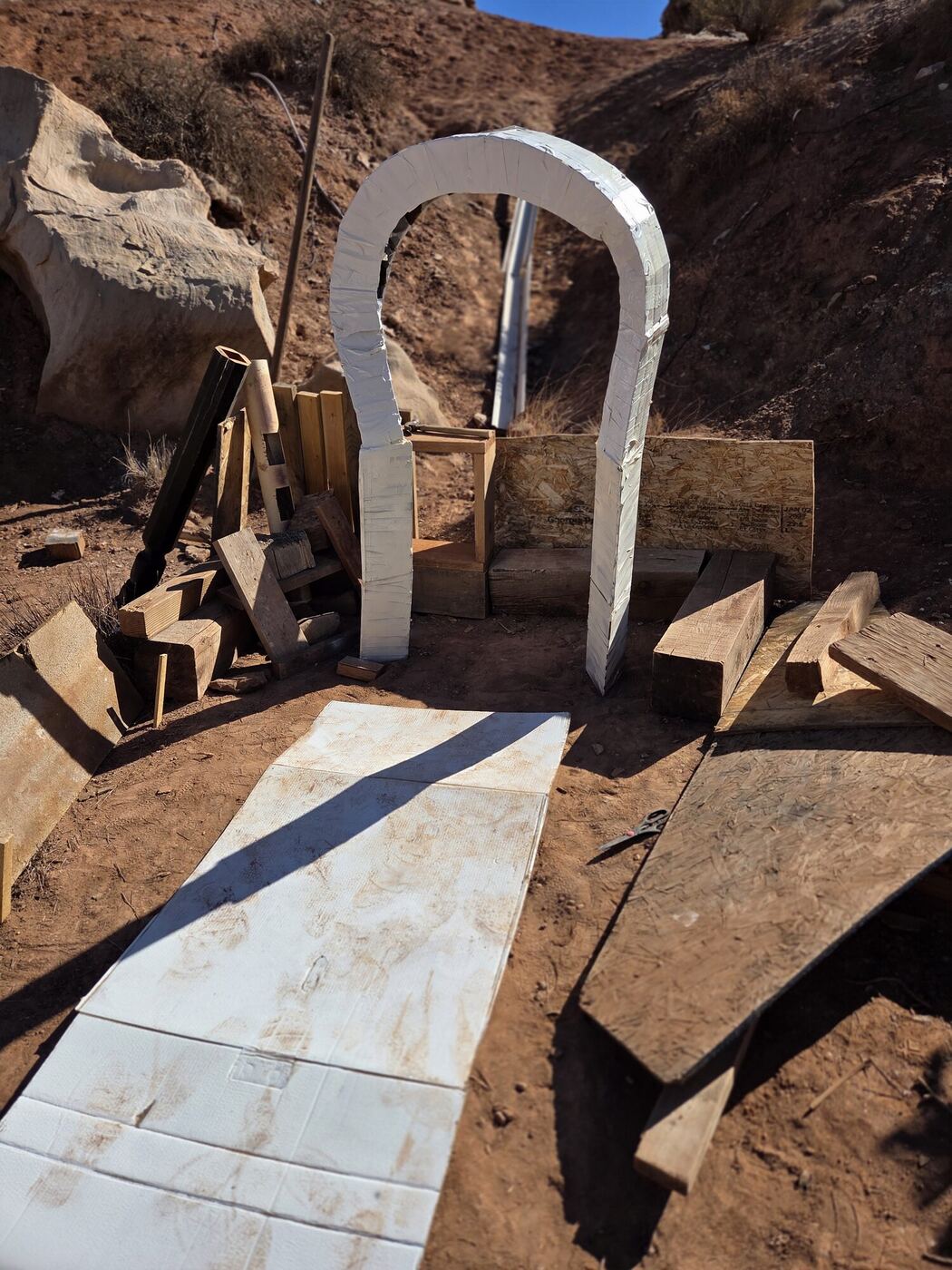
A white arch and plank path built into the red hillside for the haunted path
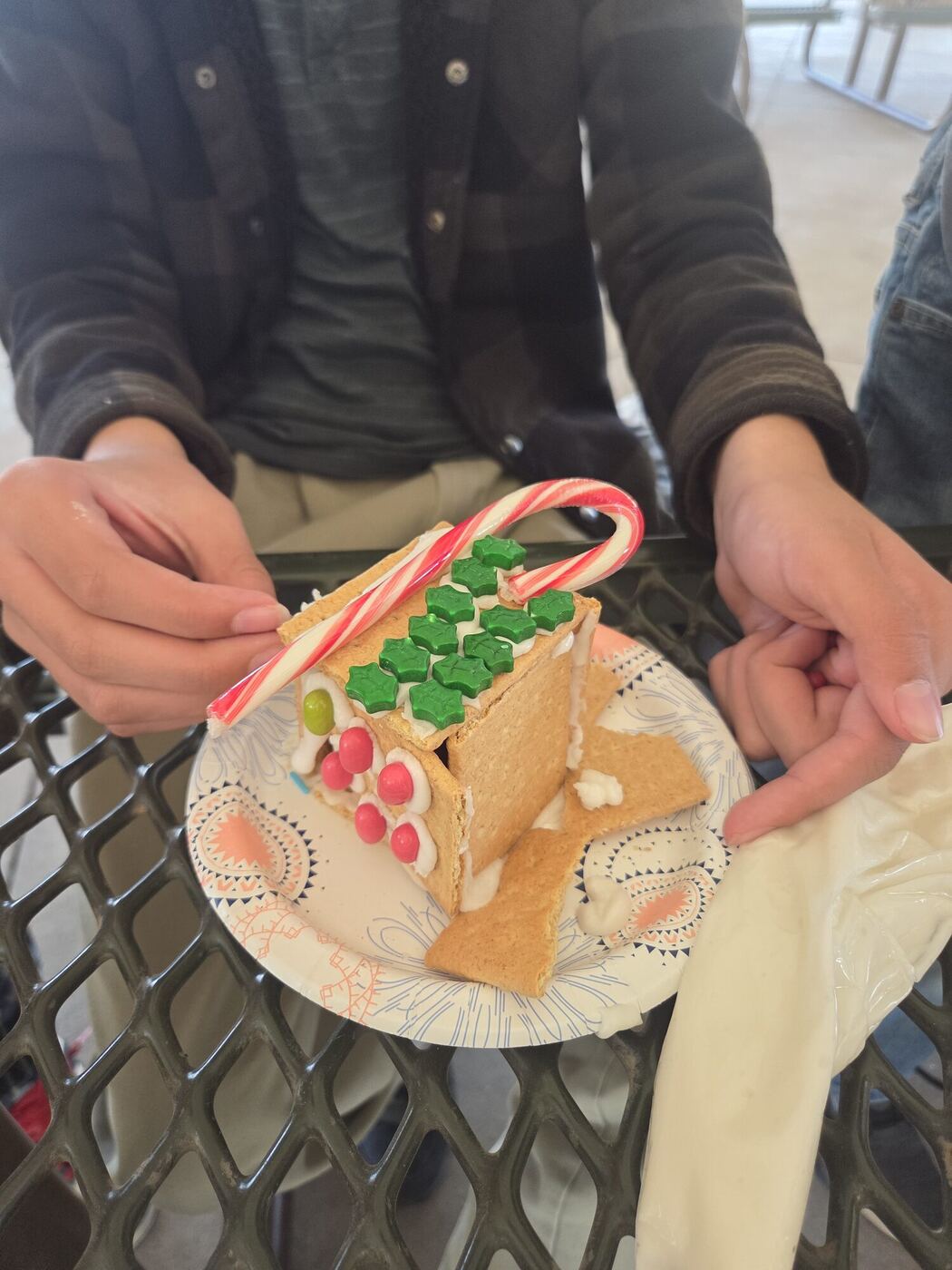
A gingerbread house held up on a paper plate
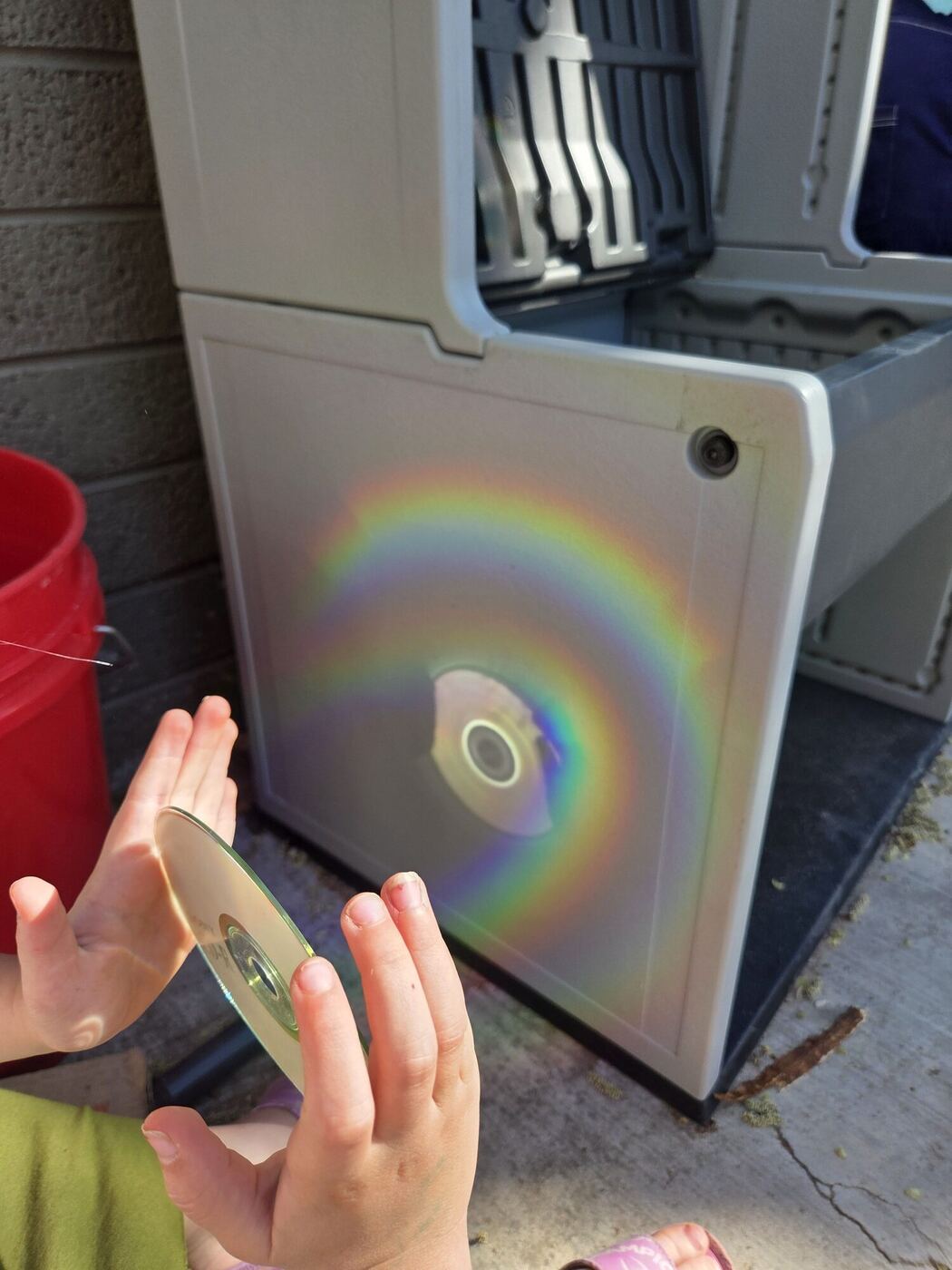
A rainbow cast on a white cabinet by a CD held in the sun
A year at

The Treehouse

Downtown St. George, Utah · September 2025 to May 2026
A full-time microschool for curious, creative learners.

The Treehouse is an intentional community where kids are introduced to new ideas, follow curiosity, develop interests and design their own passion projects. In its homelike setting, kids are given space to explore its creative studios: a makerspace, a tinker station, a mud kitchen, a loose parts playground, a sound studio, a builder's shop and more.

The Treehouse keeps its record in Prism. Between September and May, six people wrote 636 entries about what happened there. This is that year, a month at a time.

Through the year

Showcases, festivals and parties

At showcases the kids share what they have finished or are still working on, and take questions from the audience. The festivals and parties are theirs to plan and run, often for families and the neighborhood.

Shown to an audience
  • September: the first game festival, where everyone played the games the coders had built.
  • January: the first film festival, in a room full of people who applauded every film. A week later came an awards ceremony, with judges' choice awards and popular vote categories.
  • February: the Remix showcase, with a game, a song built by layering loops, classic games rebuilt block by block, and a cat version of On Top of Spaghetti.
  • May: the Masterpiece showcase, a full house. There was a sewing project, a potato peeler built from toy-brick gears, drawings turned into 3D pieces in foam, paint and wood, a song, and a set of hieroglyphs. Every presenter took the audience's questions.
Put on for families and neighbors
  • September: set pieces and props for a Halloween party for children with disabilities, as a service project.
  • October: the haunted path, open to neighbors and families, with the kids as the actors.
  • November: the Renaissance Festival.
  • December: the Christmas path through the yard, with a photo spot for parents.
  • February: the Valentine's party, budgeted, shopped for and cooked by the kids' own party planning committee.
  • April: the egg hunt, the older kids hiding eggs for the younger ones.
  • May: the everyone birthday party, and an end-of-year water party the committee budgeted and shopped for.
September
107 entries

The day opens and closes in a circle. In the opening one, everyone hears which offerings are on that day, and says what they want from it and what they will need help with.

Also in September
  • They learned how to sign up for a turn on the computers: read the clock, tell someone respectfully that it's your turn, then give them a minute to save their work.
  • Debate club opened with a game called I couldn't disagree more. The arguments ran from solar power to neural links, flowers and hot dogs.
  • To bring the old trade routes to life they played name that spice, smelling and guessing the spices traded along the Silk Road.
  • Viking rations, for tasting: hard tack and smoked cured salmon.
  • At the first game festival everyone played what the coders had made, and they talked about how long even a simple game takes to build.
  • A crew tried shelter building in the woods at the park and set up for a fire they were not allowed to light. They asked for more time in the woods.
October
80 entries
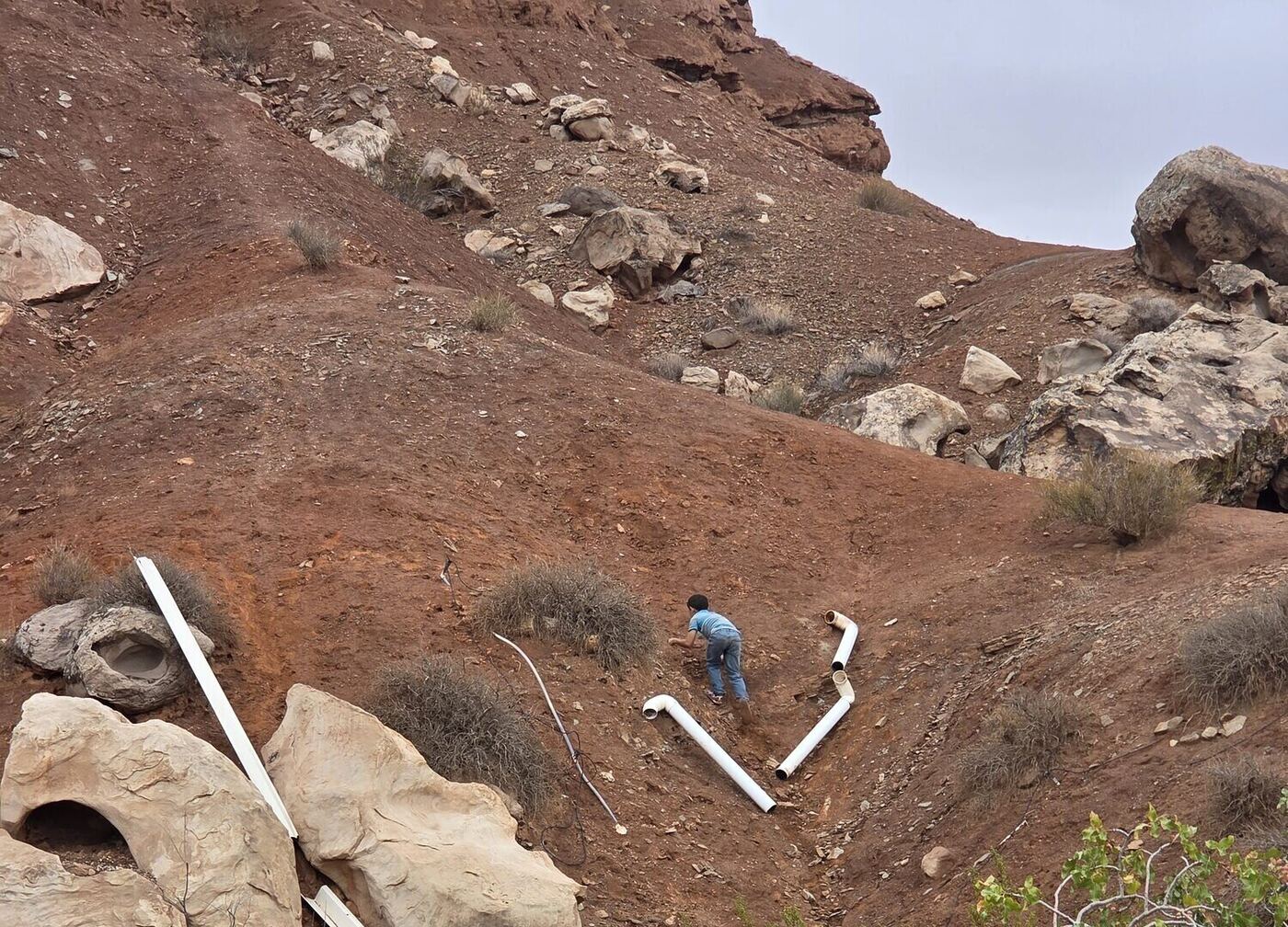
White boards laid out on a red dirt slope among boulders, one child seen from behind climbing up to them

A house in the loose parts yard

A crew started a house in the loose parts playground. The boards would not stand until the stakes went into the ground properly, so that came first, then hammering nails, then taking turns with the drill. Roles turned up as they went, including a lookout and a farmer. They left it half built with a plan: finish the walls, then sew a flag for it.

Architecture · Engineering · Collaborative Problem-Solving · Tool Usage · Construction
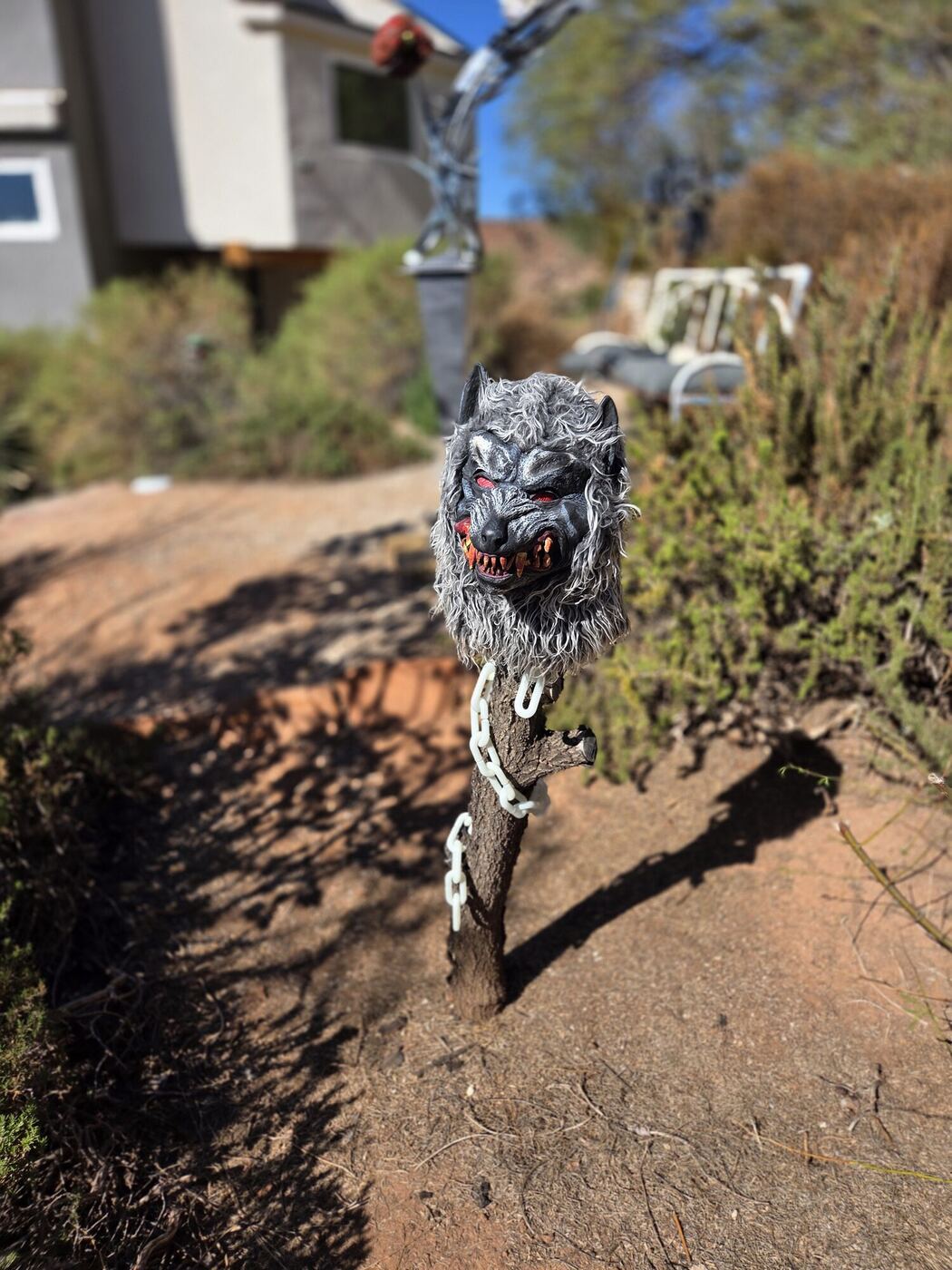
A snarling wolf mask on a stake wrapped in a white chain, beside a dirt path
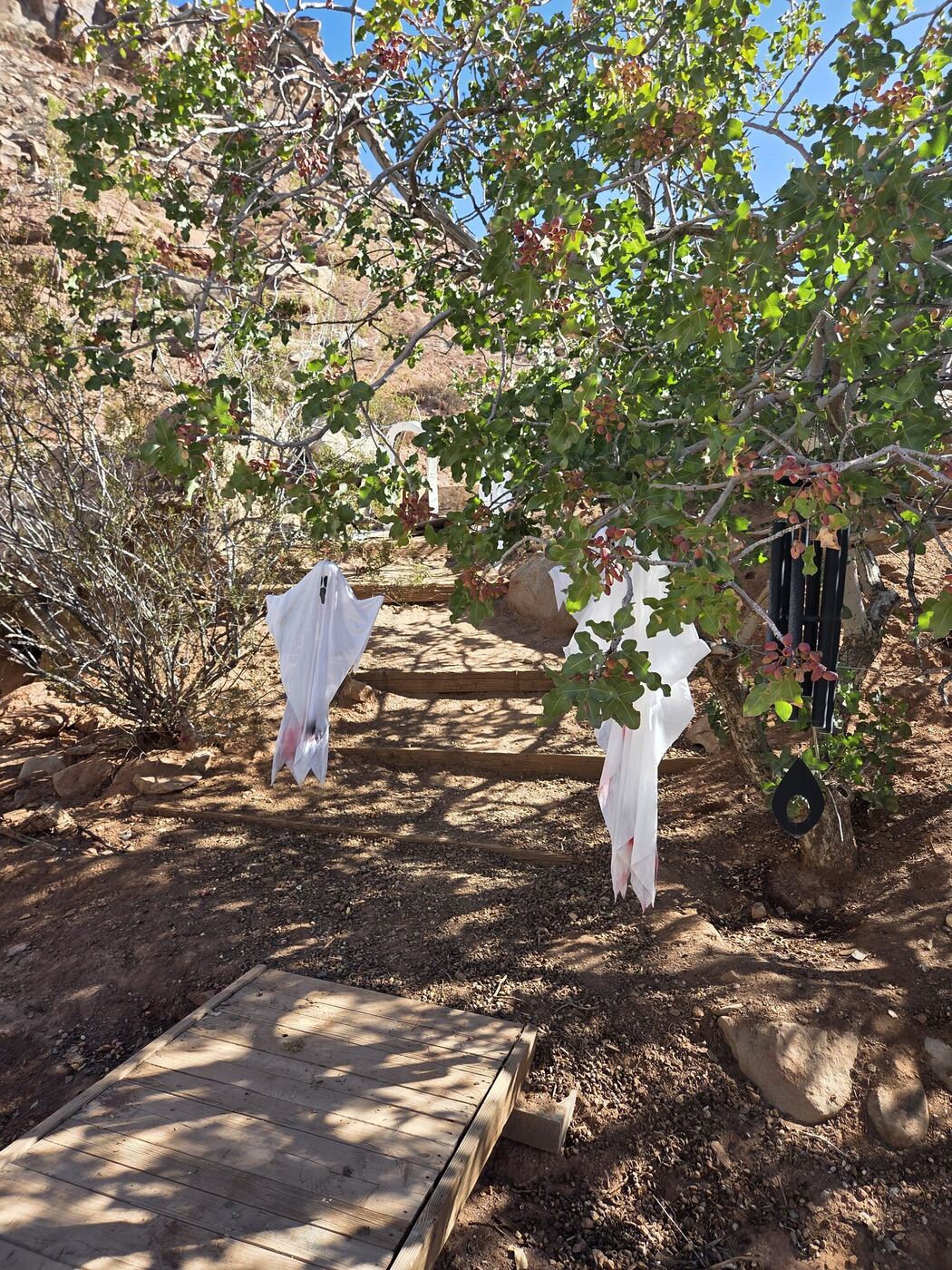
Two cloth ghosts hanging in a tree over a small wooden bridge
A white foam archway and a pale walkway going into a gully of red dirt
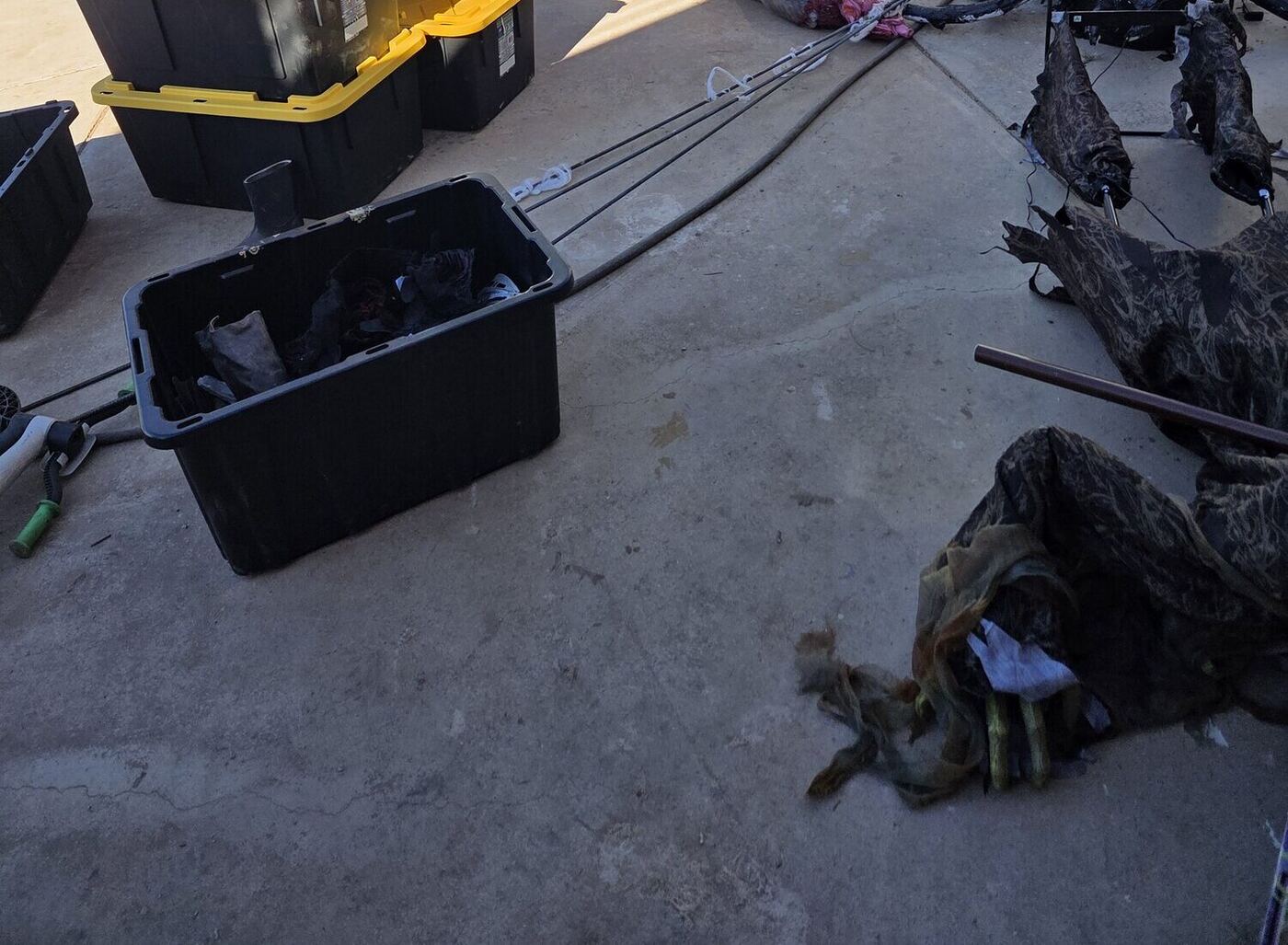
Bins of props and a giant spider packed away after the haunted path

The haunted path

The older group set out to build a haunted path, and the enthusiasm thinned once they worked out how much building it would take. It got done a little at a time, with the computer lab shut until the setup was finished. Afterwards they cleaned it up and talked through what they would change. They made a rule for next year: anyone who wants to act comes to the meetings, helps set up, helps take down.

Project Management · Theater Arts · Collaborative Planning · Reflective Practice · Event Production

At the colonial market some chose to be highway robbers and stole from the tax collectors. Then everyone spent their coins on a top for the tournament, and agreed to play just for the fun of it.

Also in October
  • For the haunted path they made gravestones, creepy animal heads and creepy dolls, and delivered flyers to twenty houses in the neighborhood.
  • Mad scientist day at the park: sheep eyeballs to dissect, which some were into, some tolerated and some wanted nothing to do with; ghost balloons blown up by vinegar and baking soda; eggs floated in salt water; oobleck.
  • In owl pellets they found the bones of voles, mice, rats and birds.
  • Everyone wrote a silly version of an old sea shanty, and they sang every one.
  • Two of the chickens escaped. Catching them was even more fun than holding them.
November
82 entries
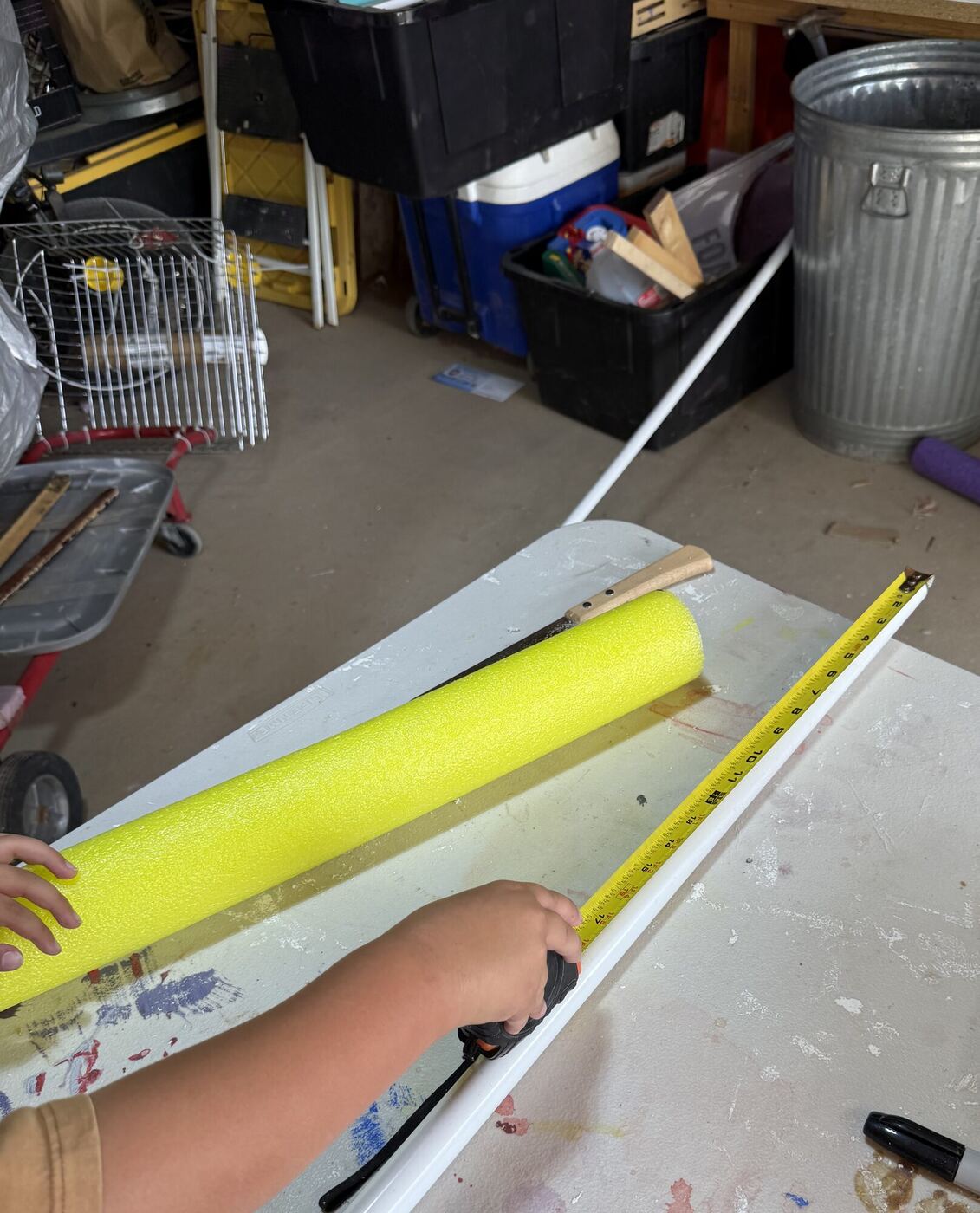
Hands holding a tape measure along a length of white pipe, a foam noodle beside it
Measure
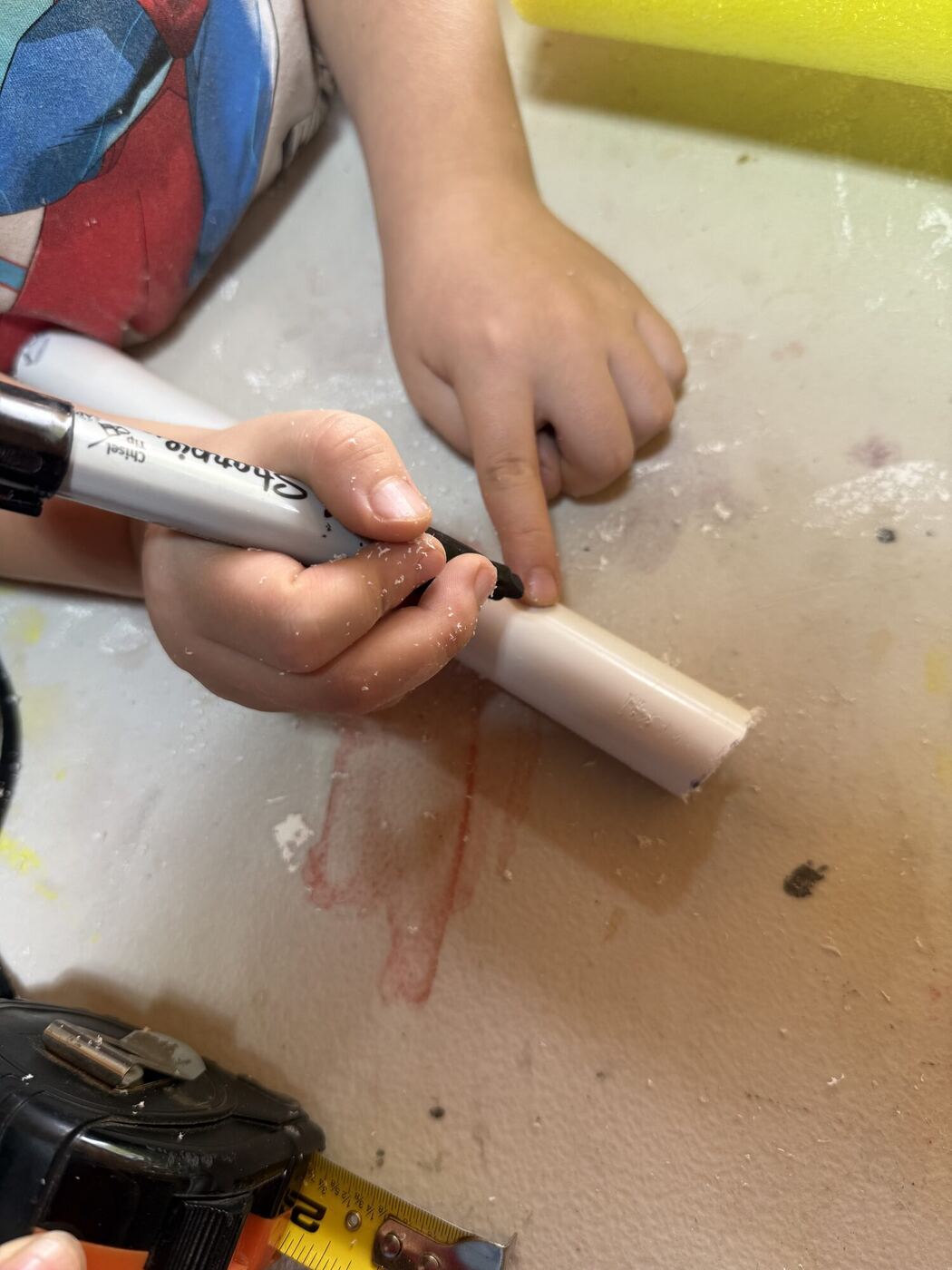
Hands marking a short piece of pipe with a marker
Mark
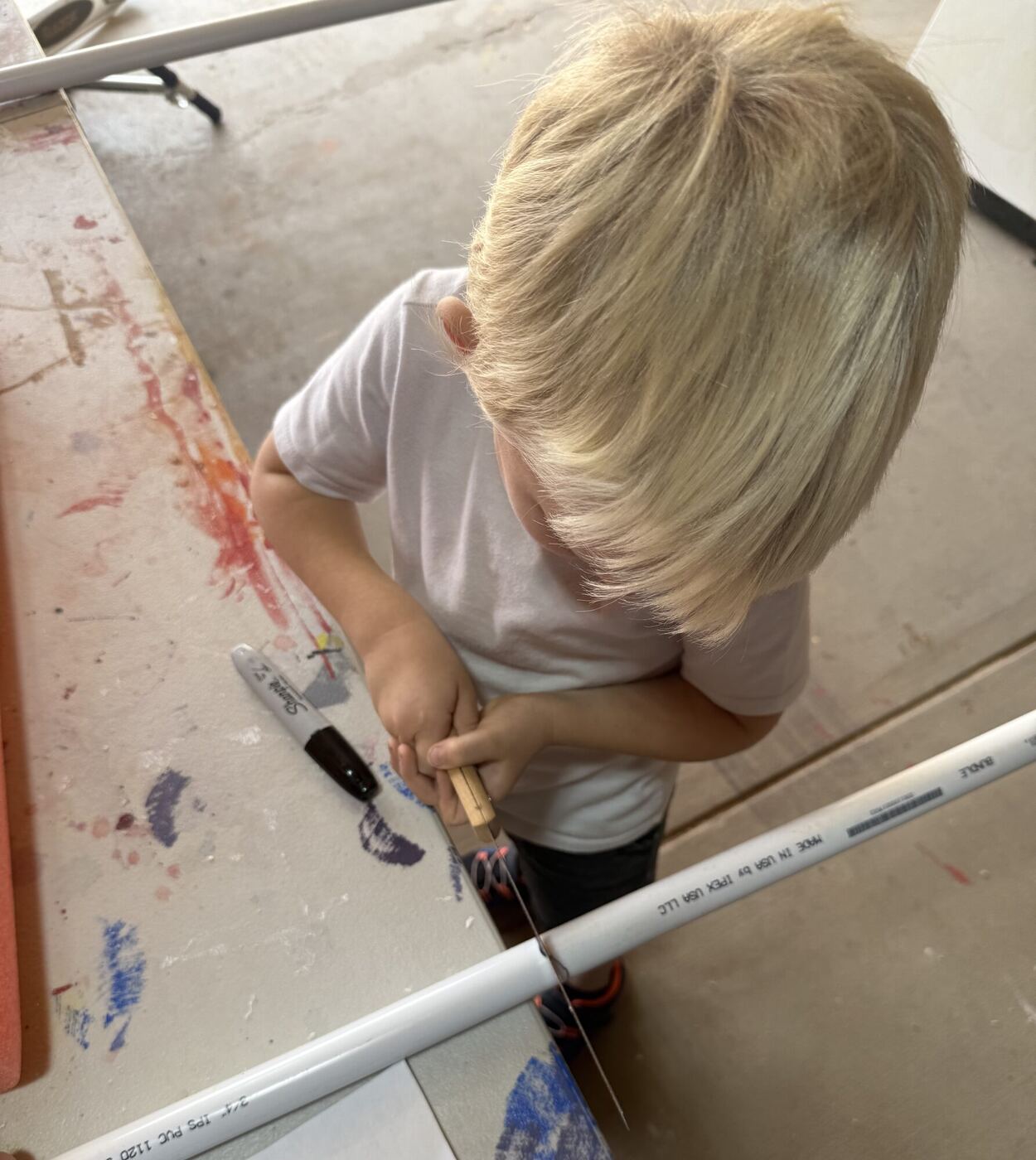
A child seen from above, sawing through the pipe at the edge of a table
Cut

Ahead of the Renaissance Festival, everyone measured, marked and cut a sword of their own from PVC pipe. A lot of them held the pipe down for each other while it was cut.

The Renaissance Festival

It was planned in guilds: the merchants guild set up a fortune-telling business, and the adventurers guild ran sword fighting and archery. On the day there was a sword tournament with the PVC swords, a station for making shields with animals as symbols in a coat of arms, watercolor painting with a talk about how paints were once made from natural pigments, and floral wreath headbands. Traveling troubadours played a tune on recorders at every station, and a traveling tea merchant came by with the story of the cacao bean, and hot chocolate.

History · Visual Arts · Historical Reenactment · Historical Performance · Collaborative Creativity

In a lava tube in the canyon, they sat down, turned off the lights, and sang a song together in the dark.

Also in November
  • Catapults from the loose parts bin, with no glue guns, only twist ties and rubber bands. They shot marshmallows.
  • The play they wrote themselves went up: their own costumes, props and parts, a few forgotten lines worked through, and some backstage rules learned along the way.
  • Debate club held mock trials all fall: the three little pigs, Hansel and Gretel, the gingerbread man, Santa, and Cinderella.
  • They made popping boba, and ate it in a smoothie.
December
80 entries
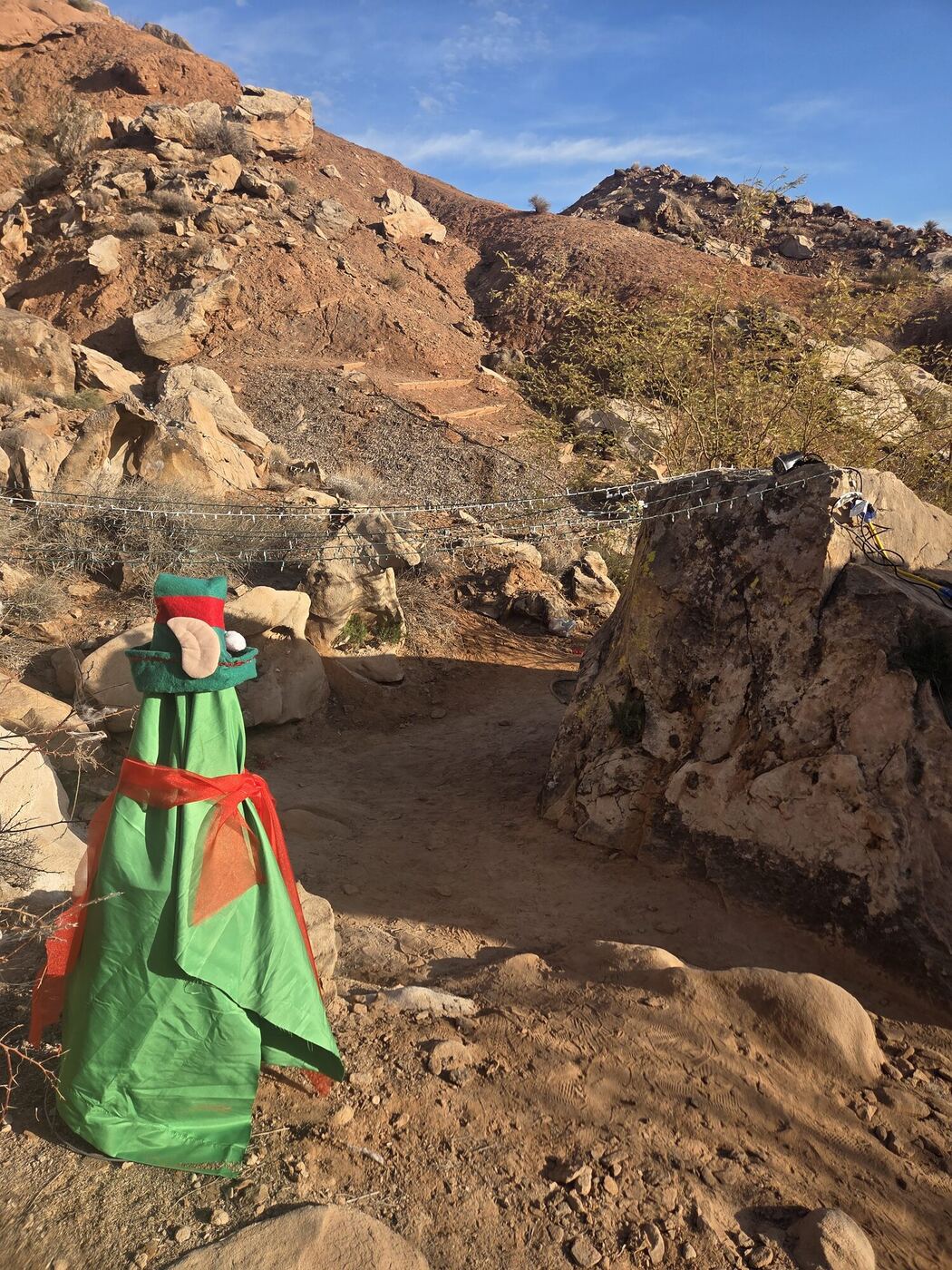
A cloth elf standing beside a desert path among boulders, a string of lights behind it
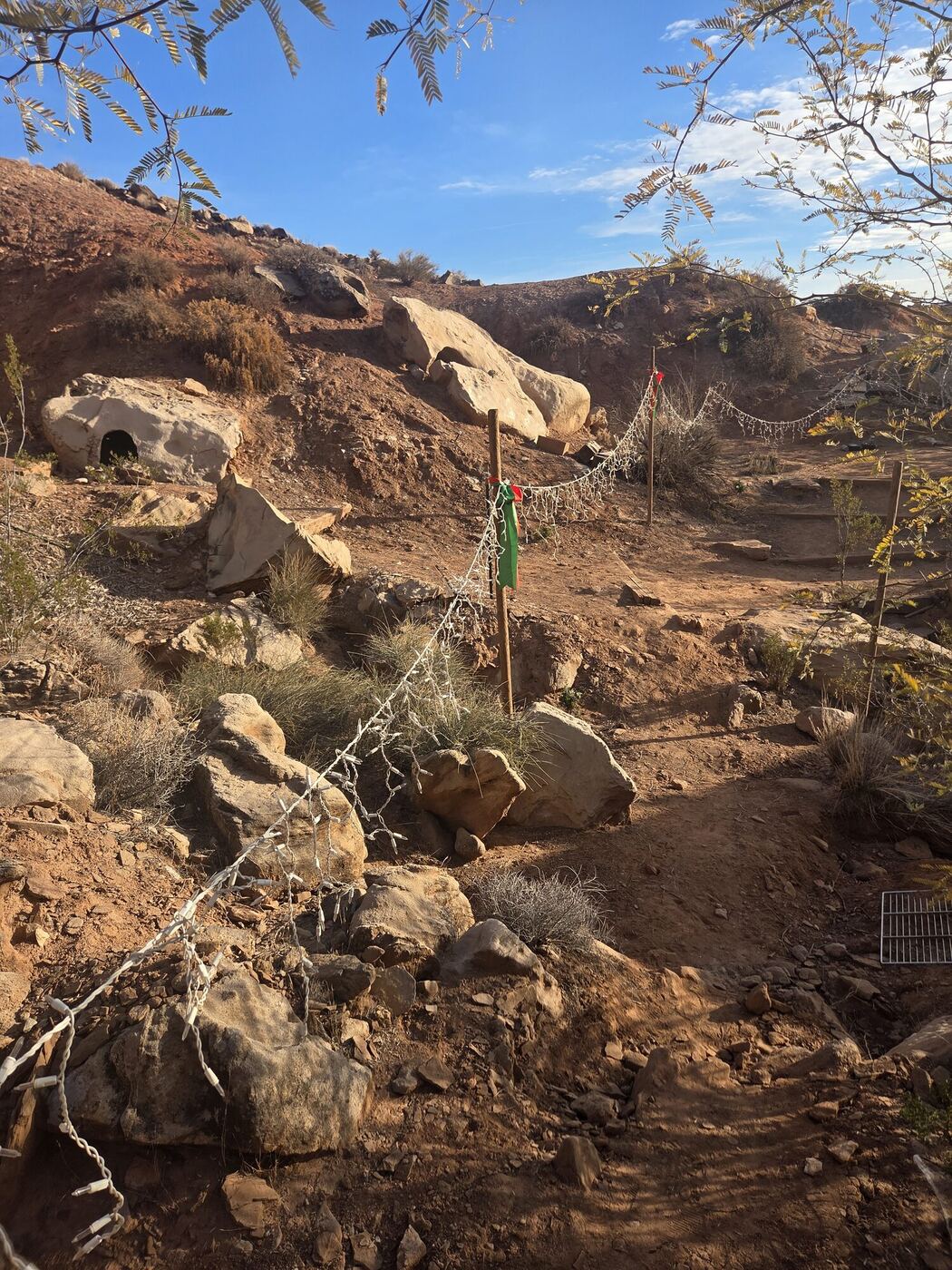
Strings of lights on stakes running along a rocky path up a slope

A group planned a Christmas path through the yard for neighbors and families, then ran it themselves: the flyers, the lights, troubleshooting the power until every string came on, and a photo spot with mistletoe for the parents. They found out that drying paint can't be rushed.

Hands pressing a candy cane onto a small gingerbread house on a paper plate

Gingerbread houses came two ways: pre-built with hot glue, or from scratch with frosting. A lot of them chose the harder way, so they could eat the whole house.

Also in December
  • Christmas around the world came with passports to stamp. In Argentina it is summer at Christmas; they baked alfajores.
  • For Denmark: cream cheese danishes, and a gnome who comes in through a tiny door in the baseboards. They built the doors from cardboard, tape and popsicle sticks.
  • Hot cocoa from scratch, after a trip to the grocery store to find the lowest price for every ingredient.
  • Debate club took on whether hot dogs are sandwiches, and whether alligator counts as seafood.
  • In the loose parts yard they built a bridge the length of the whole yard, and practiced balancing across it.
January
69 entries

The January calendar

January's plan got made at a coordination meeting. Some clubs carried over and some were new, including a run of experiments built around bubbles. They chose to leave more room in the schedule for personal projects. They looked up the forecast and stood outside to feel the temperature before deciding which days would be the outdoor ones. Four of them wrote their own ideas onto the calendar.

Mathematics · Meteorology · Goal-Setting · Time Management · Collaborative Decision-Making
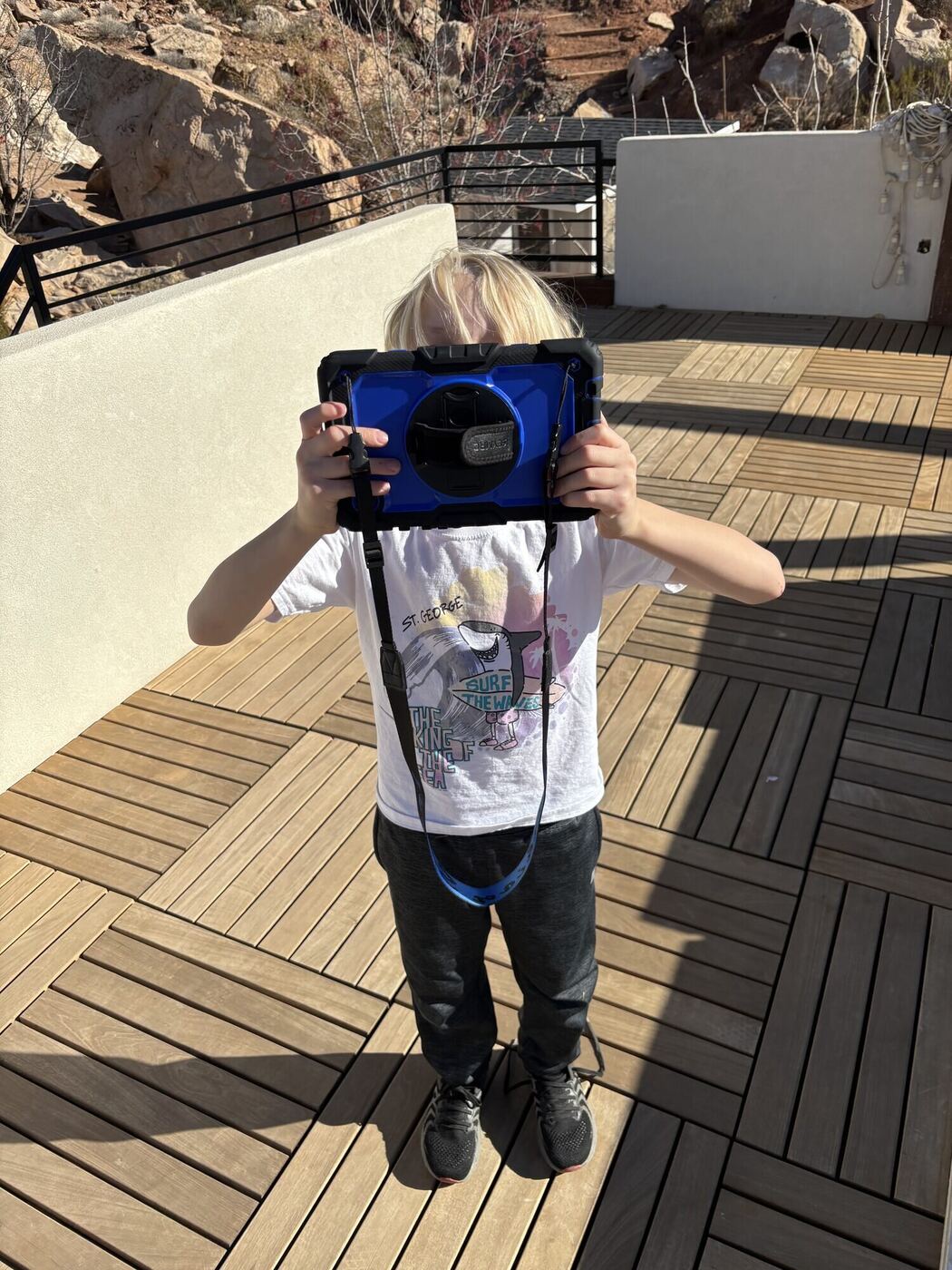
A tablet held up to frame a shot on the deck, the camera operator hidden behind it

Wide, middle, close

Filmmaking ran for weeks. They practiced wide, middle, close and establishing shots on tablets, taking turns as camera and as actor, then panning, tilting and tracking. One film was told with whiteboards for puppets. At the end of the month the younger group had theirs finished in time for the festival, and sat through the older group's films in a room full of people.

Media Arts · Language Arts · Technical Literacy · Collaboration · Filmmaking

At the roller rink the little skaters were the down-up club: every time they went down, they popped right back up.

Also in January
  • Donut day took the whole process: choosing a recipe, buying the ingredients, making, eating, cleaning up. They heard the story of the little red hen first, and split the tasks so everyone shared the work.
  • In reverse charades you describe how to move until the other person guesses what they are acting out.
  • Roadwork outside: they watched the jackhammer, asked the workers, and found out they were fixing the sewer deep under the road.
  • Debate club made up its own who-is-guilty cases: two minutes of questions, then everyone wrote down a verdict, like a jury.
February
73 entries
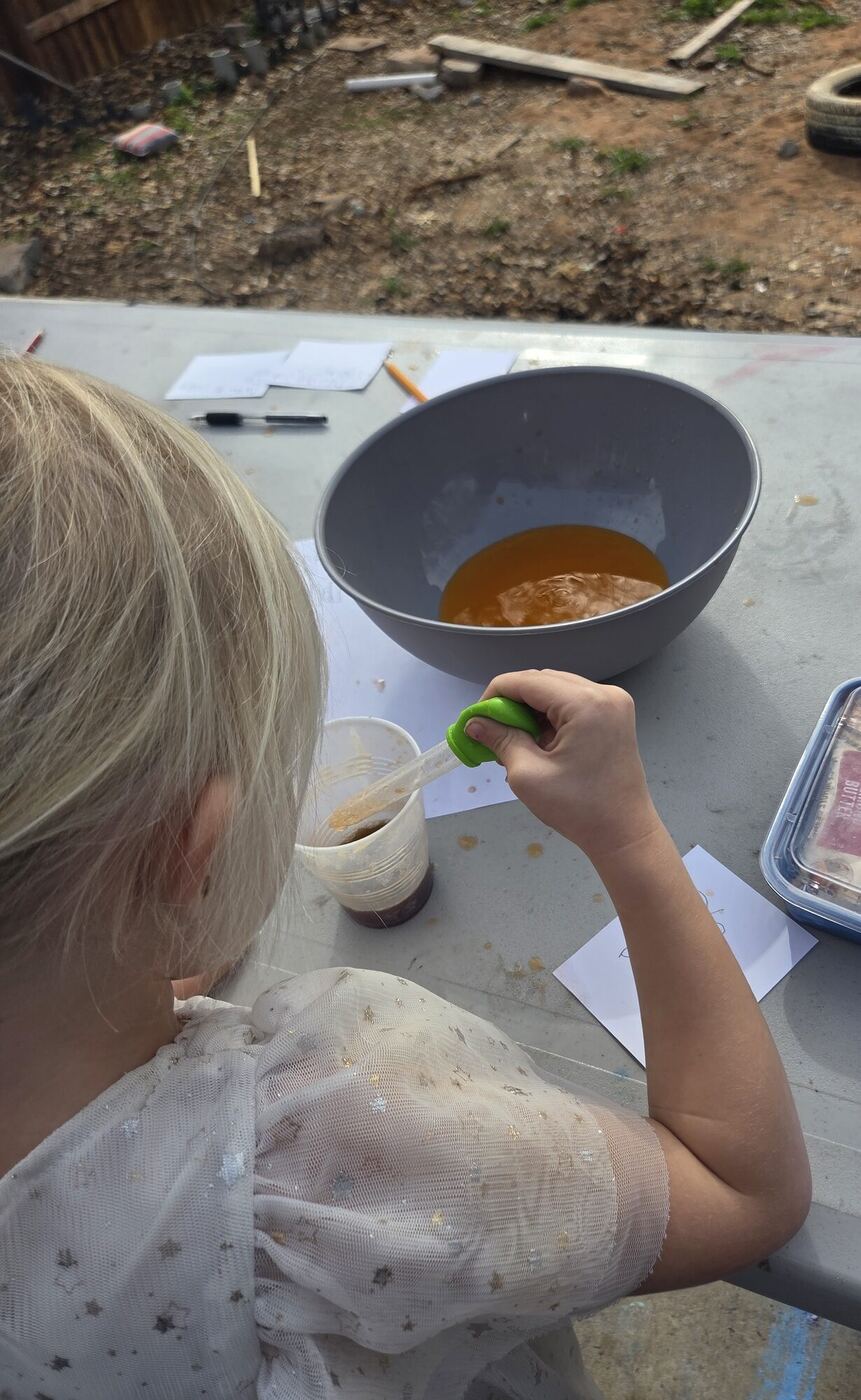
A child seen from behind squeezing a dropper over a cup, an orange soda in a bowl beyond
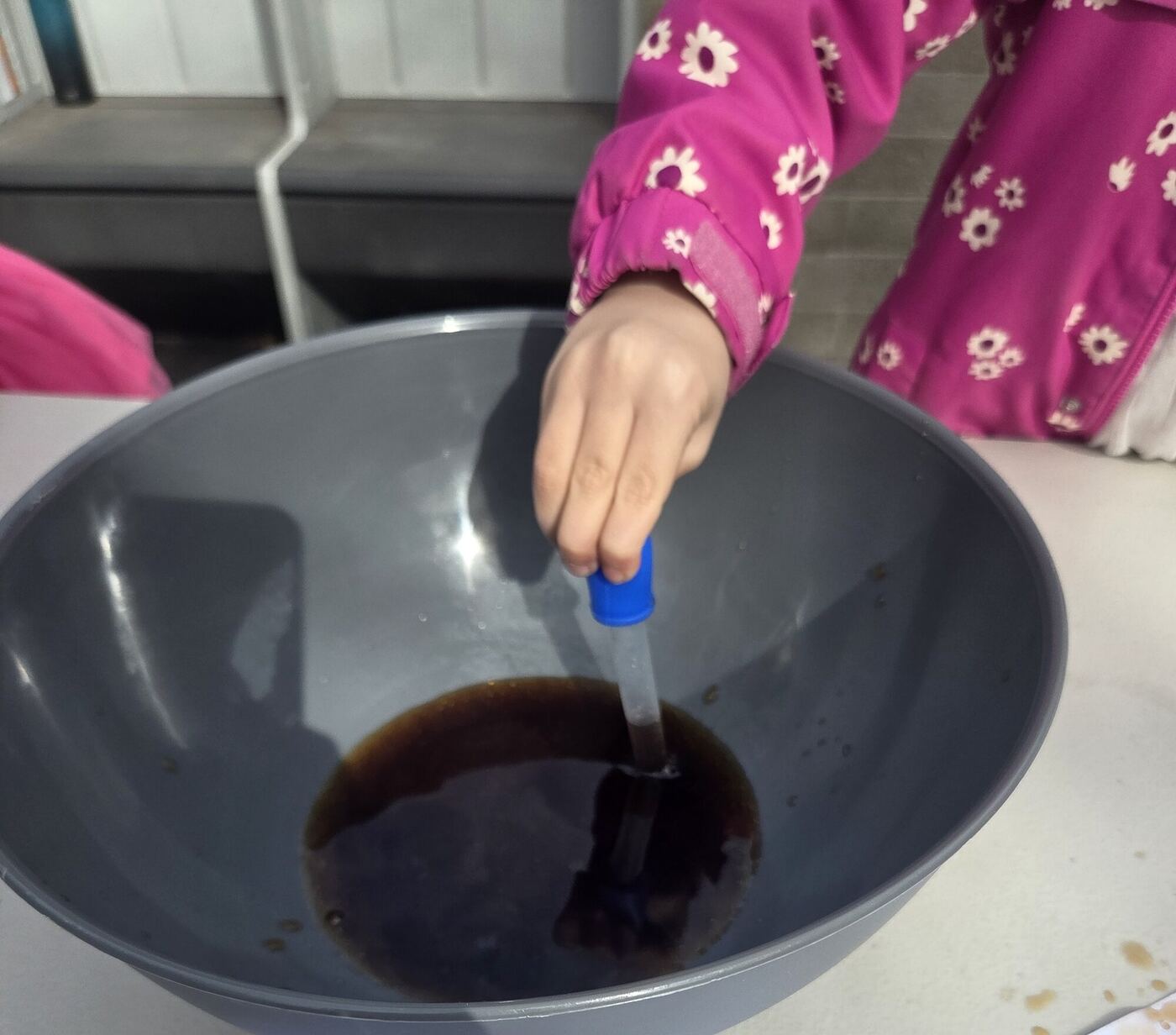
A hand holding a dropper in a bowl of dark soda

February's theme was remix: take something familiar and make it your own. The youngest group wrote soda recipes on cards, then mixed small samples of them with droppers.

They took the mentos and the diet coke to the park, and the explosion was small enough that the afternoon ended in plans for a bigger one.

Science · Scientific Inquiry · Problem-Solving · Chemistry Experiments

Books, and no searching

Late in February they ran a timed challenge: answer as many questions as you can using books and your own heads, nothing looked up. One team took it by a single question. The week after came the read-a-thon, some reading in pairs and reading to each other, some reading alone, all of them logging titles and minutes against the library's reading challenge.

Language Arts · Research · Critical Thinking · Self-Monitoring · Reading
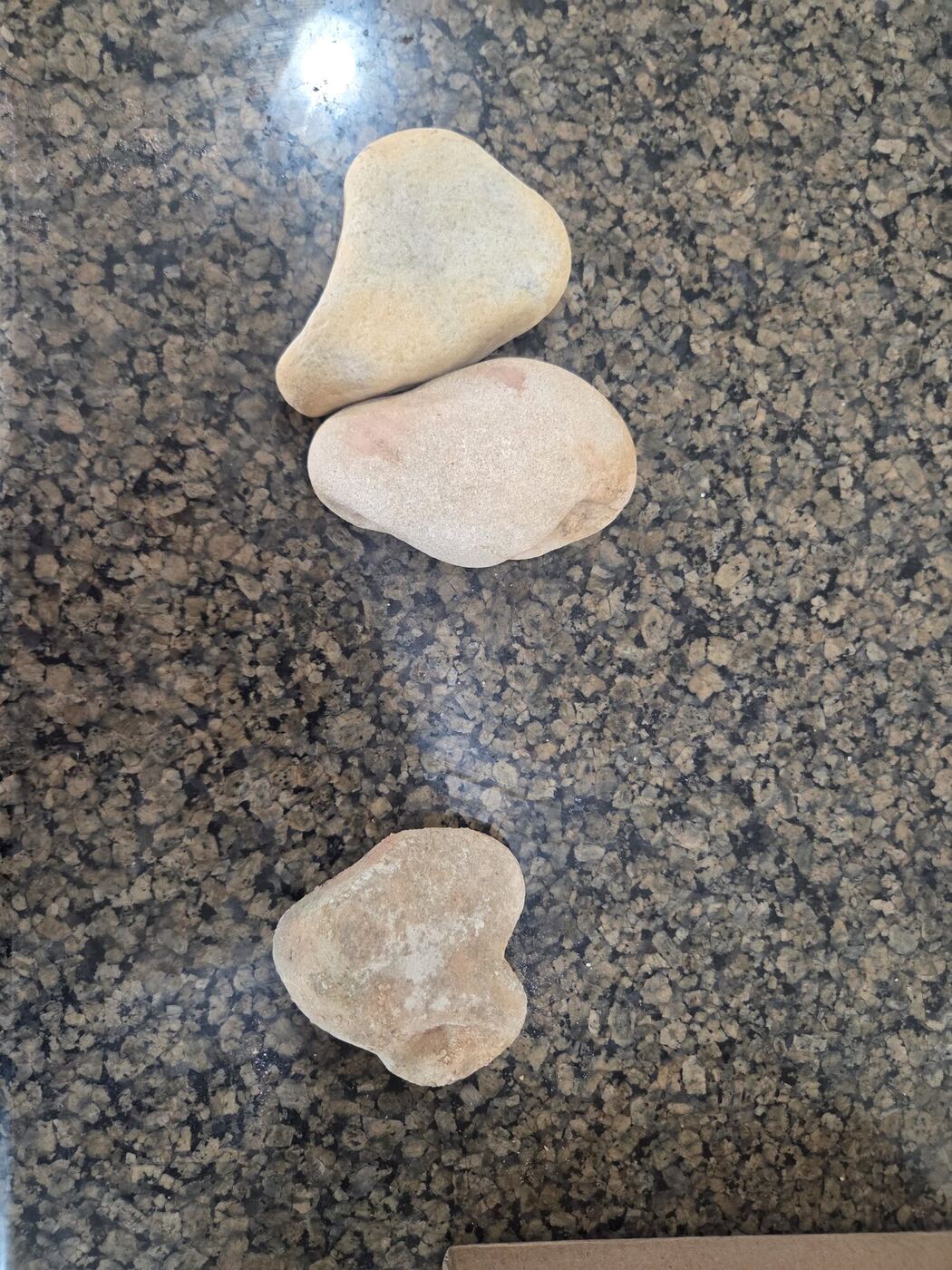
Three pale heart-shaped river rocks on a granite counter
Also in February
  • At the river they looked for heart-shaped rocks and read the tracks in the riverbank: bears and raccoons have five toes, dogs have four.
  • They remixed animals too, tracing and drawing new creatures from the parts of others.
  • Board game club tried mixing several games into one, worked on the rules for a while, and decided it wasn't fun enough to keep going.
  • The party planning committee counted the petty cash jar and made a budget for the Valentine's party.
  • Paper hearts with kind notes went up on the neighbors' doors.
  • The floor-is-lava path went all the way around the yard, built from loose parts.
March
59 entries
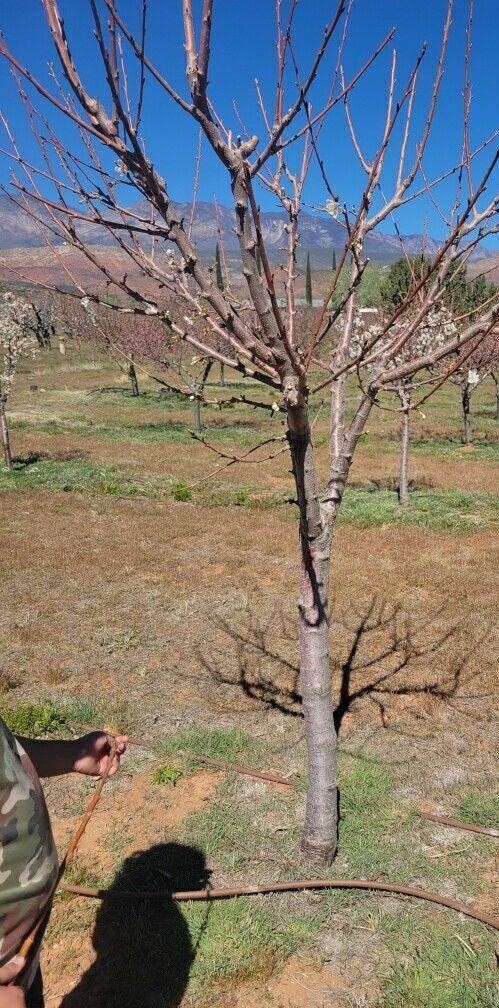
A young fruit tree pruned back to bare branches, rows of blossoming trees and red hills behind

The youngest group went to an orchard of 400 fruit trees to learn how to prune for more fruit. They adopted three rows, pruned and fertilized them, and were due back to harvest in June.

Life Science · Following Directions · Real-World Application · Farming & Gardening
Small hands holding a CD in the sun, a rainbow ring thrown onto a cabinet
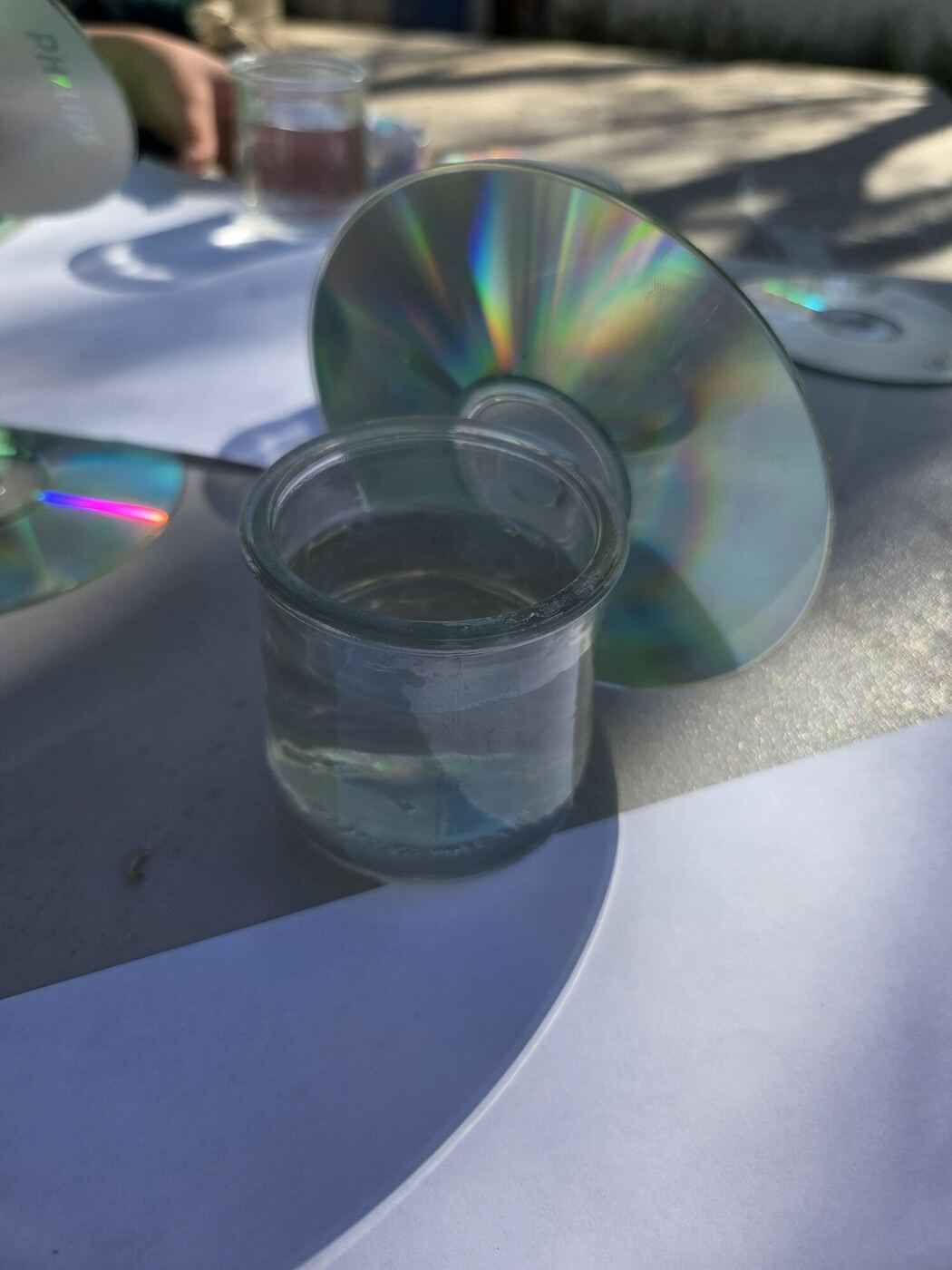
A CD propped against a glass of water on a sunny table
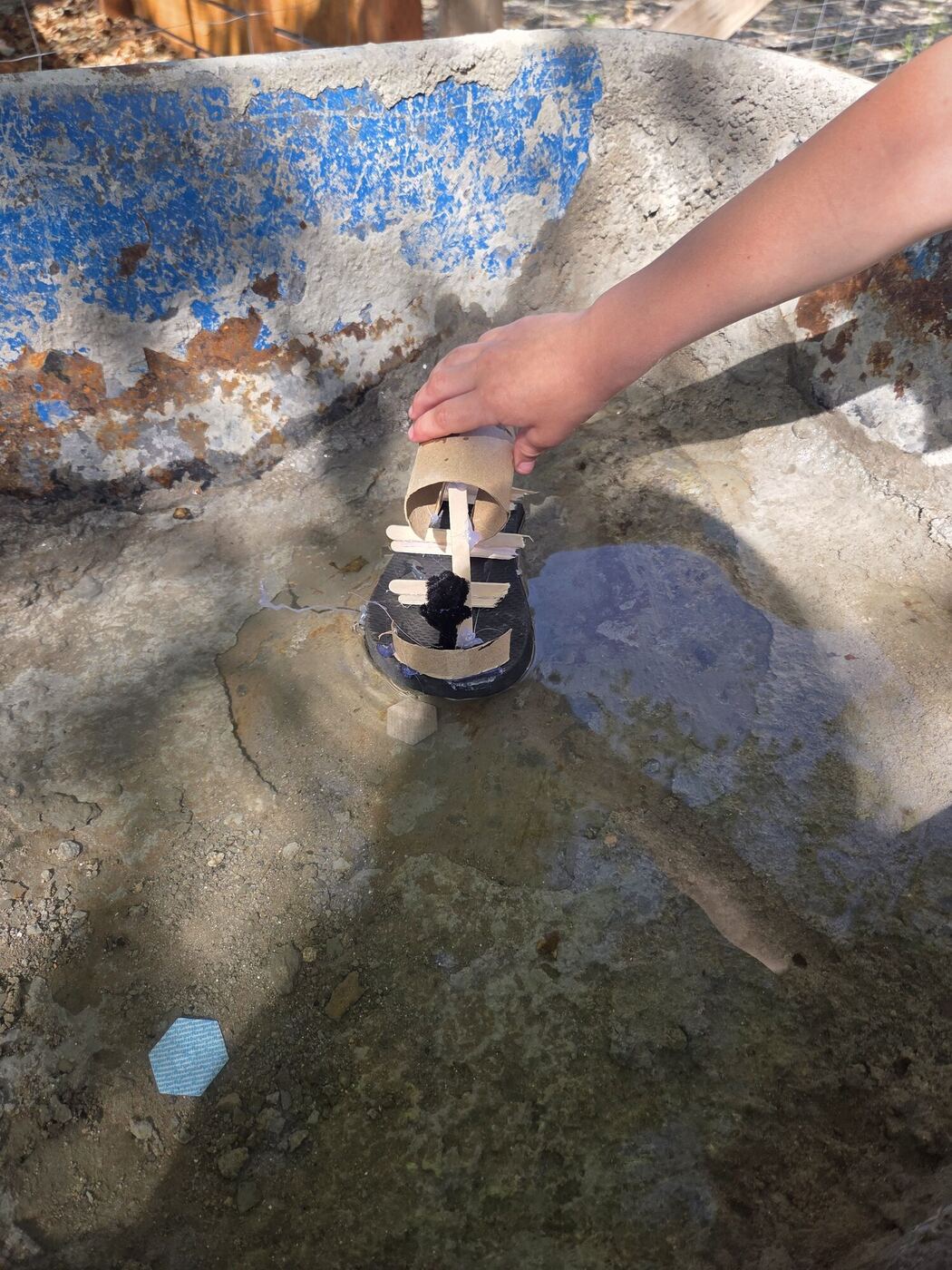
A hand setting a small boat of cardboard tubes and sticks into water in an old basin

Rainbows from old CDs, glasses of water and sunlight. Then boats from recycled materials and loose parts, tested before the race; the ones too heavy on one side had to be balanced.

Also in March
  • Business proposals for the entrepreneur fair: what the business is, the materials it needs, and a cost breakdown to find a price that makes money.
  • Art club began with musical pictures: draw for a couple of minutes, pass it on, add to the next one, until every drawing comes back to where it started.
  • A talk during play: when you join a group, ask them to explain the rules of their game, then choose whether to join. You can't always expect them to change the rules for you.
  • The hike to the cave was about four miles, including an extra mile going the wrong way and back. They learned a little orienteering.
  • A leprechaun treasure hunt: unscramble the words, decode, solve the riddles.
April
47 entries
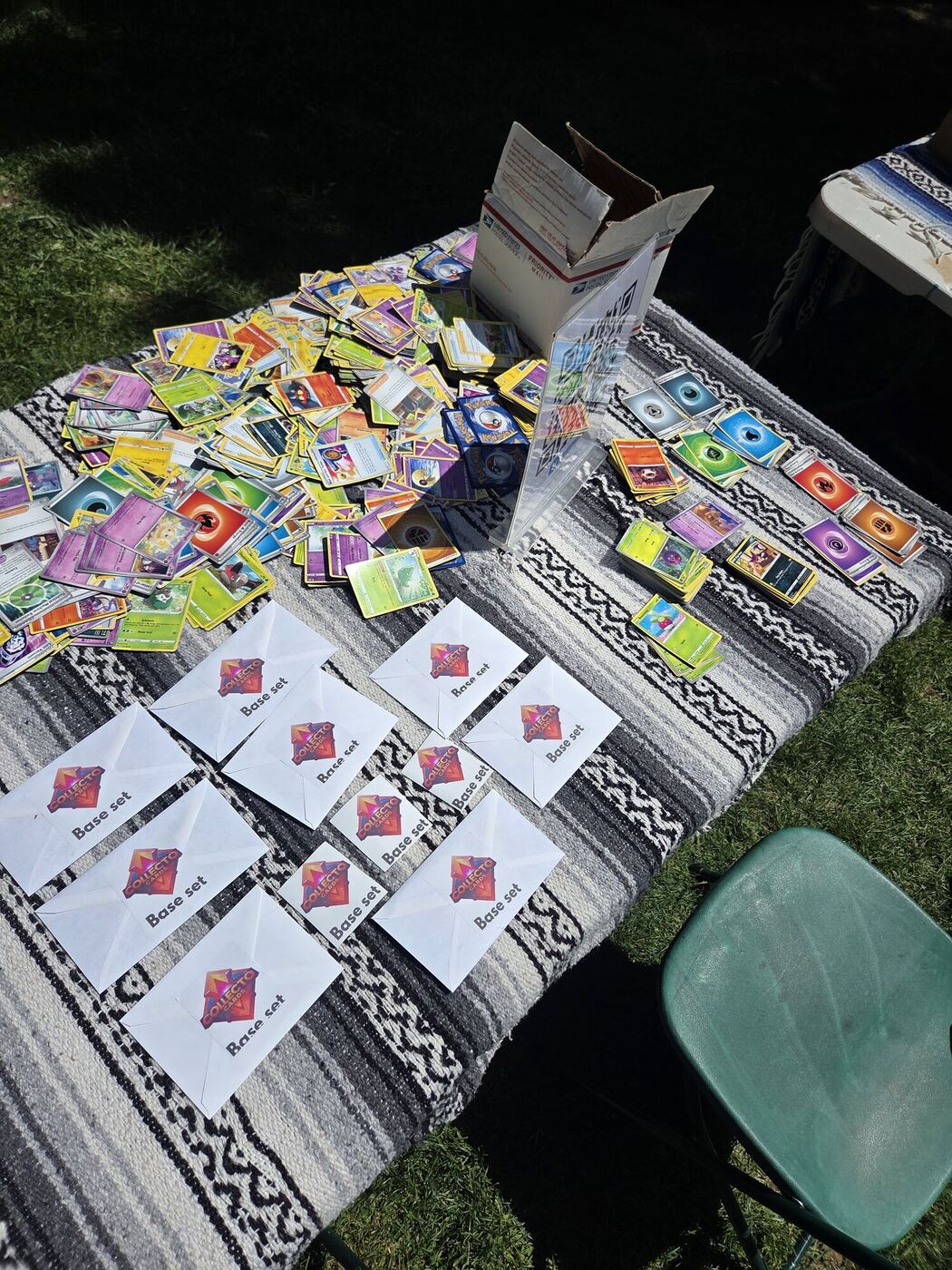
A market stall laid out on a blanket: trading cards and hand-made packs

The first market day

Tables, hand-made signs, and wares each of them had planned and made. Fewer customers turned up than they had hoped, so they started trading across the stalls instead. The ones who had borrowed money to stock up spent the week after on how a loan gets paid back, and on interest, before the loans were turned into grants. They decided to steer clear of debt for now.

Economics · Financial Literacy · Mathematics · Entrepreneurship · Decision-Making

At the egg hunt the older kids hid eggs for the younger ones, then hunted in the tall grass themselves. They pulled apart an old tree stump looking for the golden egg, and never found it.

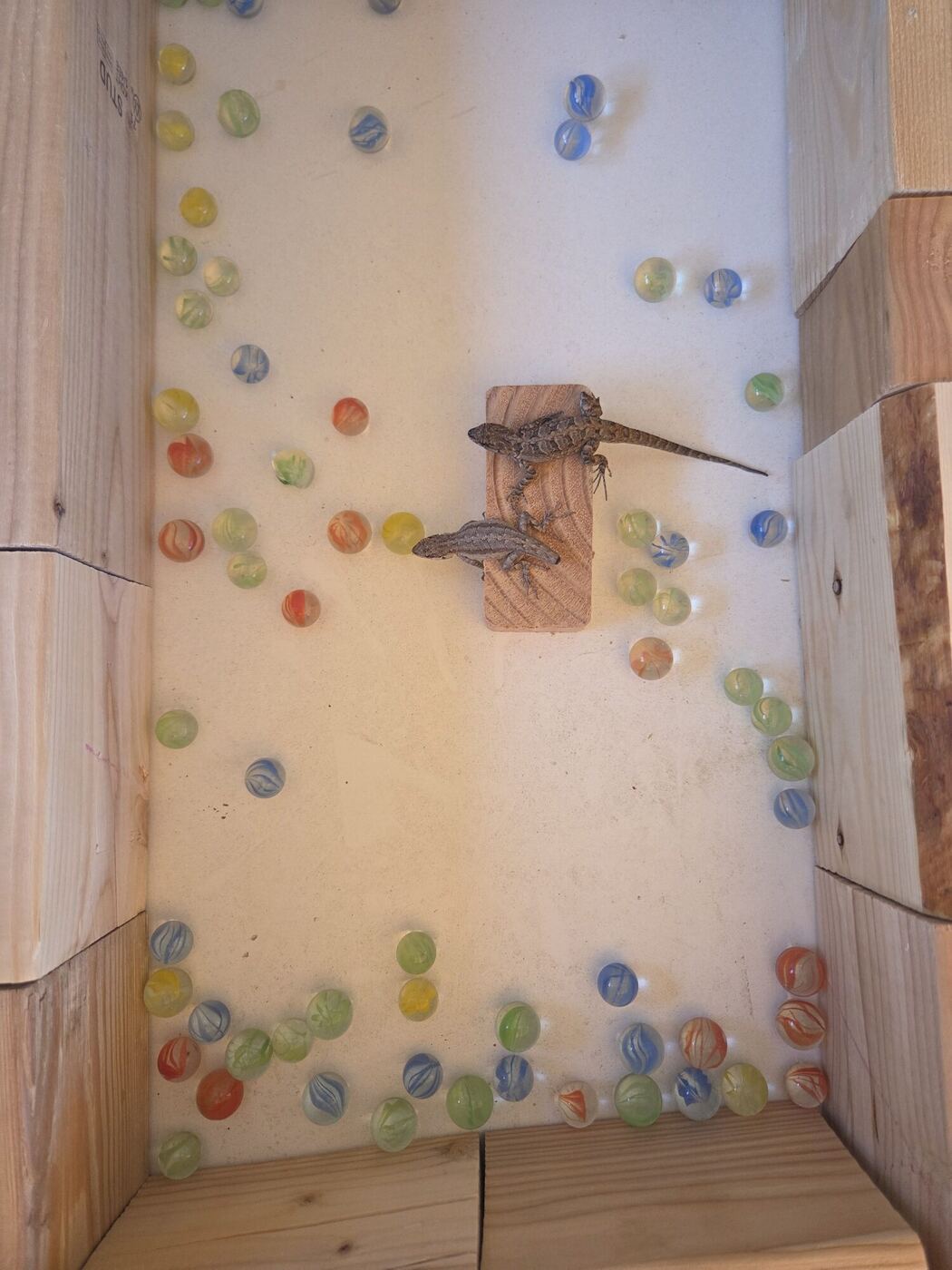
Two lizards on a wooden block among glass marbles
A wooden box set from above, two lizards on a block, marbles scattered around

A crew caught a lizard and learned what ornate tree lizards eat, how long they live, and how they can drop their tails when stressed. They built it homes until it ran away. Another crew built sets to photograph lizards in: a house, a school, a bike shop and a city pool.

Also in April
  • For the egg hunt they counted the party funds, planned how many eggs each kid would get, and set out to spend fifty dollars or less. They found deals and spent twenty-five.
  • The boat races ran as a tournament, with brackets and seeds, single and double elimination.
  • At a homestead in the neighborhood they fed the goats and horses, gathered eggs from the ducks and chickens, and held baby goats.
  • A new crystal recipe from the internet did not turn out like the photos. Experiments are experimental.
  • Cans, heated and then sealed in cold water, crushed themselves: a lesson in air pressure.
May
39 entries
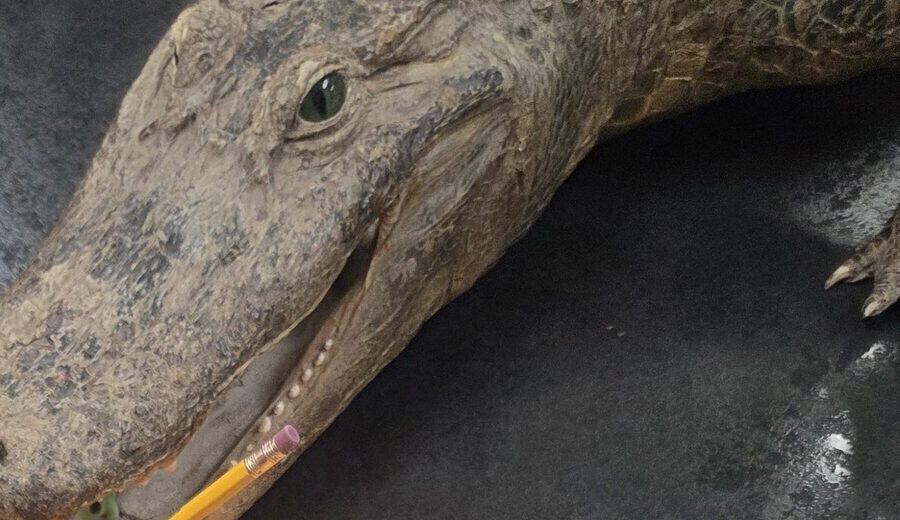
A preserved alligator's head on a dark table, a pencil at its jaw

The museum

A tour of the natural history museum: axolotls, scorpions, snakes, and preserved things including an eight-legged pig. They learned that an axolotl can be chilled to slow its body down while it heals. There was a snake to touch, and a scavenger hunt to fill in, some sounding the words out, some drawing what they could not spell.

Biology · Life Science · Scientific Inquiry · Natural History · Wildlife
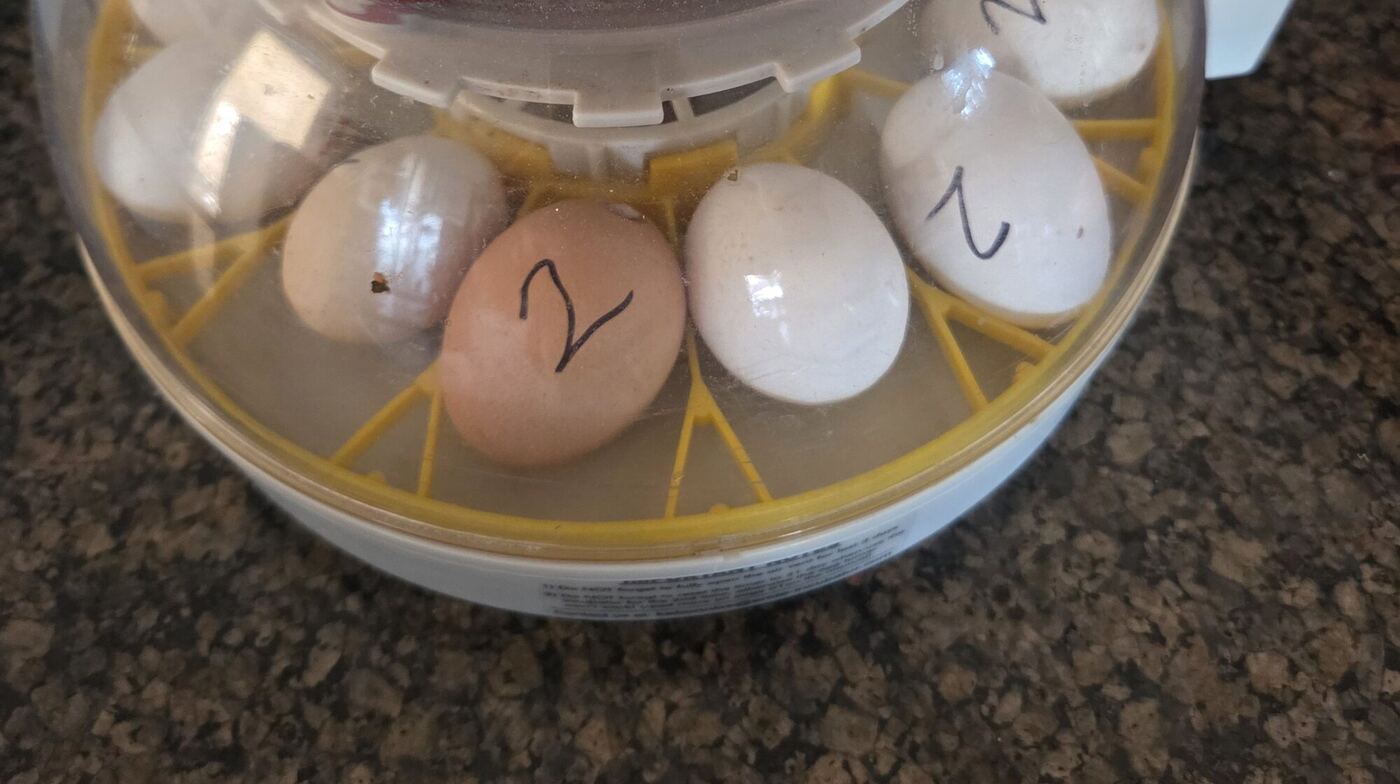
Eggs in an incubator, two of them numbered in marker
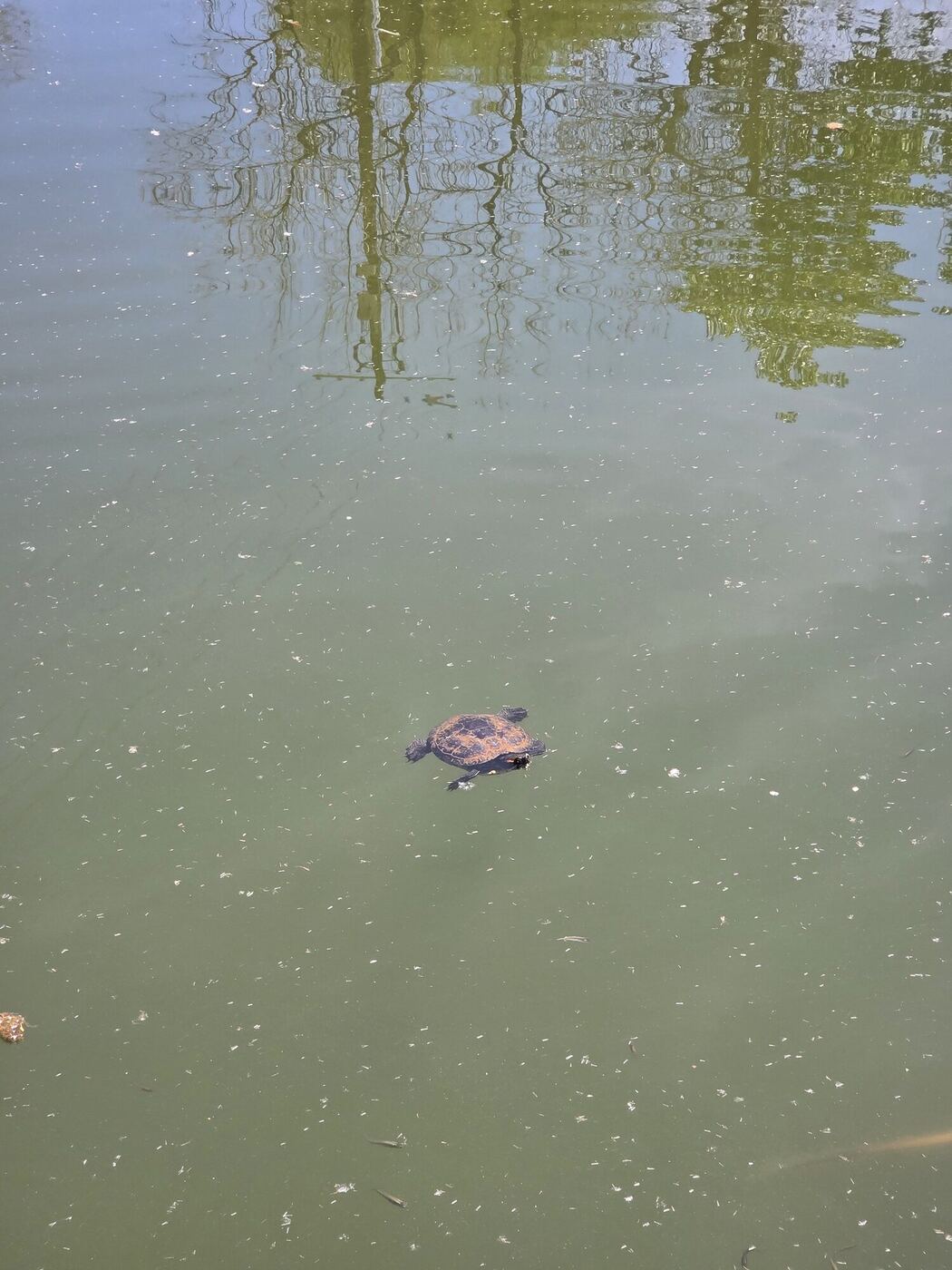
A turtle swimming in a green pond

Eggs from the farm trip went into the incubator, timed so some would hatch on the last day of school. They learned to candle them to see which were developing; half the brood was lost, and they stayed hopeful. At a nature park they caught and released minnows, leaning out over the low water, while turtles swam past.

The last showcase of the year was a full house, with the audience asking questions about one another's projects.

Also in May
  • The everyone birthday party, for everyone's birthday, had Italian cream sodas, because the rocket project needed the bottles.
  • The rockets: plastic bottles, parachutes from trash bags, traced from a template, cut on the chop saw, launched with an air pump and water.
  • A group planned the escape room trip themselves, taking on the research, the schedules and the sign-up sheets. One team escaped with two minutes to spare.
In the 2025-26 year
636

entries, written by the people who were in the room.

6

people wrote them, across the nine months of the school year.

59%

of the entries carry two or more subject areas in their Learning Signals.

What the record shows

Visual arts and engineering are the most documented subjects of the year, with language arts and mathematics close behind, and those two mostly turn up inside something else: a recipe copied out before the ingredients go in, a sign-up sheet for the computers, the prices on a market stall. The skills that recur most are solving problems, working together, and thinking in space. The interests that ran the whole year are building, being outside, and making things by hand.

About this page

Written down by the people who were in the room.

Every moment here comes from The Treehouse's own record: the entries six people there wrote in Prism over the year, a photo and a few sentences at a time. The small capitals under each story are the Learning Signals Prism found in those entries.

“I have had a mom bring me her oldest son (her two younger were already enrolled) to do a trial day. She specifically said, I see all the cool things you guys are doing on Prism and I just think he would love it here.”

Jennie Jones, founder and director, The Treehouse
Visit

The Treehouse

A full-time microschool for curious, creative learners, ages 5 to 15, in downtown St. George, Utah.

A year at The Treehouse is one of a series of pages Prism makes with the programs that use it, from the record they keep over the year.