A kids' community space.in their own words, thedandelionproject.us
The Dandelion Project is a kids' community space in South Philadelphia that supports kid-led, inclusive, and joyful learning for young people ages 5 to 18. Wild Seeds ALC, its community-centered alternative to school, is at the heart of it.
Wild Seeds keeps its record in Prism. Between September and June, five adults wrote 689 entries about what happened there. This is that year, a month at a time.
September
71 entries
A board called the parking lot went up for anyone to suggest an offering. On the first day, everyone did.
Also in September
Before anyone could bake on their own, they trained for an oven certification. The first thing made after it was eggplant toast.
The teens built card towers in pairs, adding a card for each thing the two of them turned out to have in common.
In the debate offering they argued whether cereal is soup. The audience mostly wanted to know what the debaters really thought.
Kids who loved scary stories and kids who didn't worked out together how to look after both.
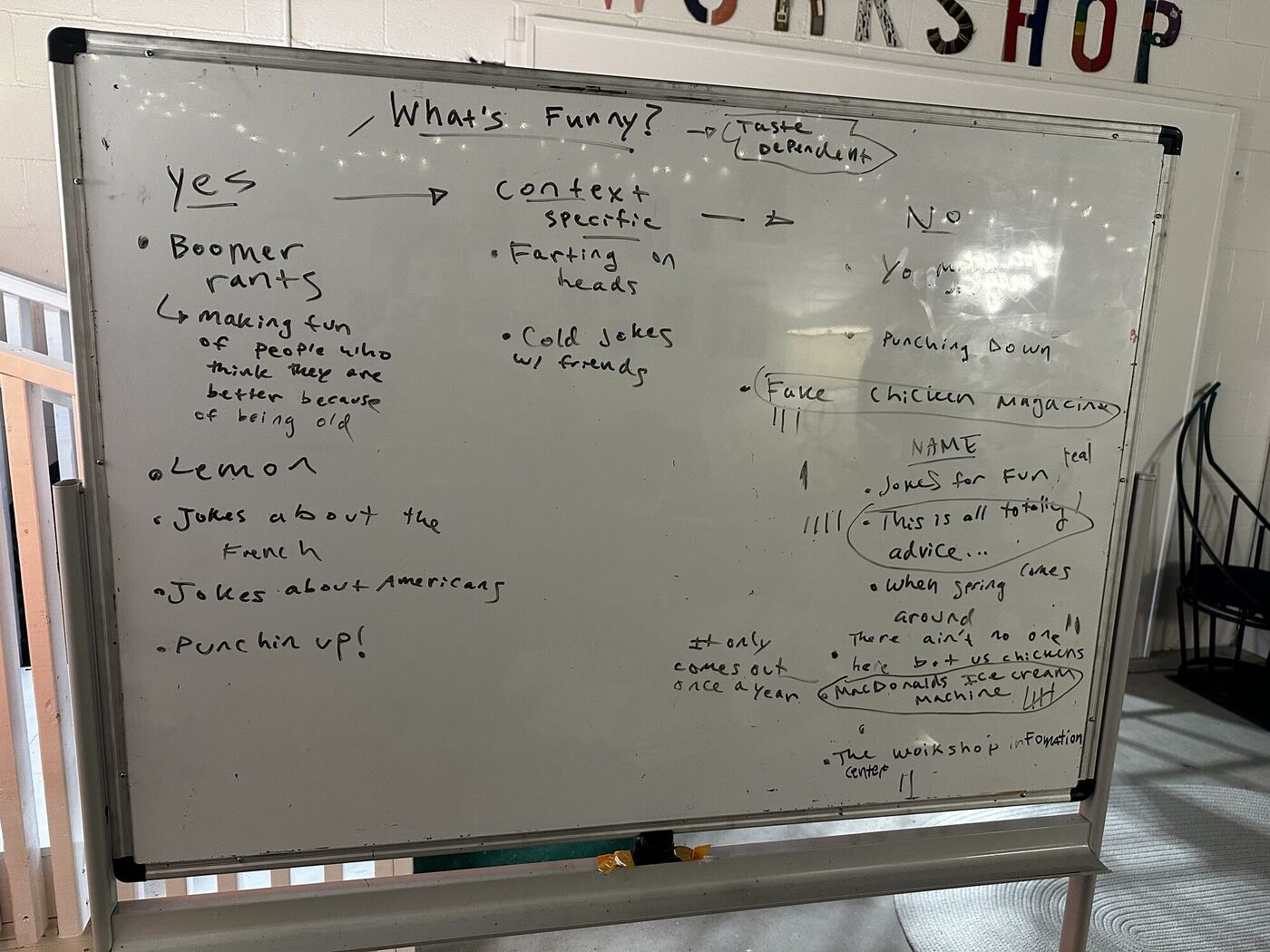
Comedy club came back and agreed its jokes would punch up, not down.
October
92 entries
Week oneWeek three
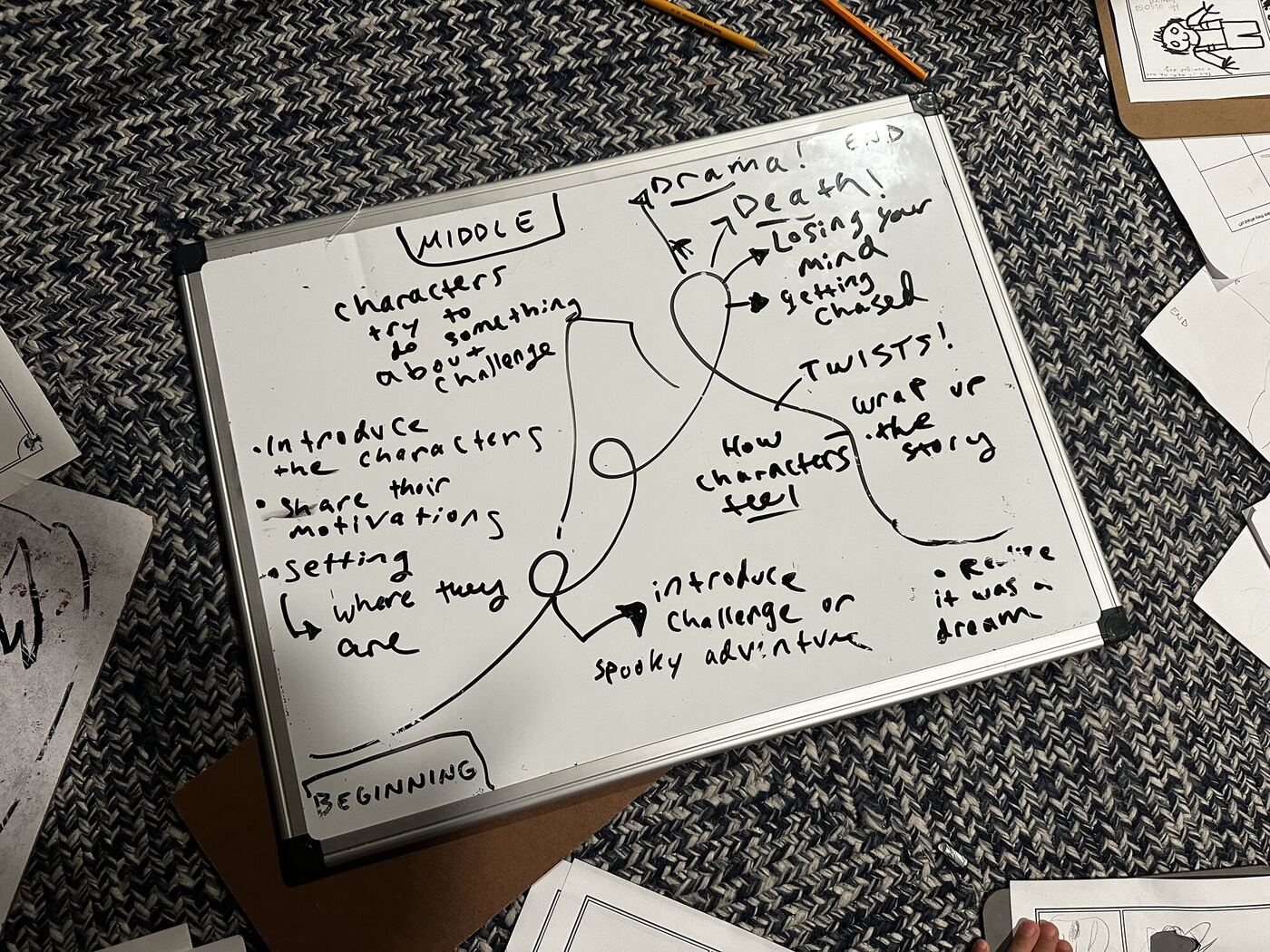
The spooky zine
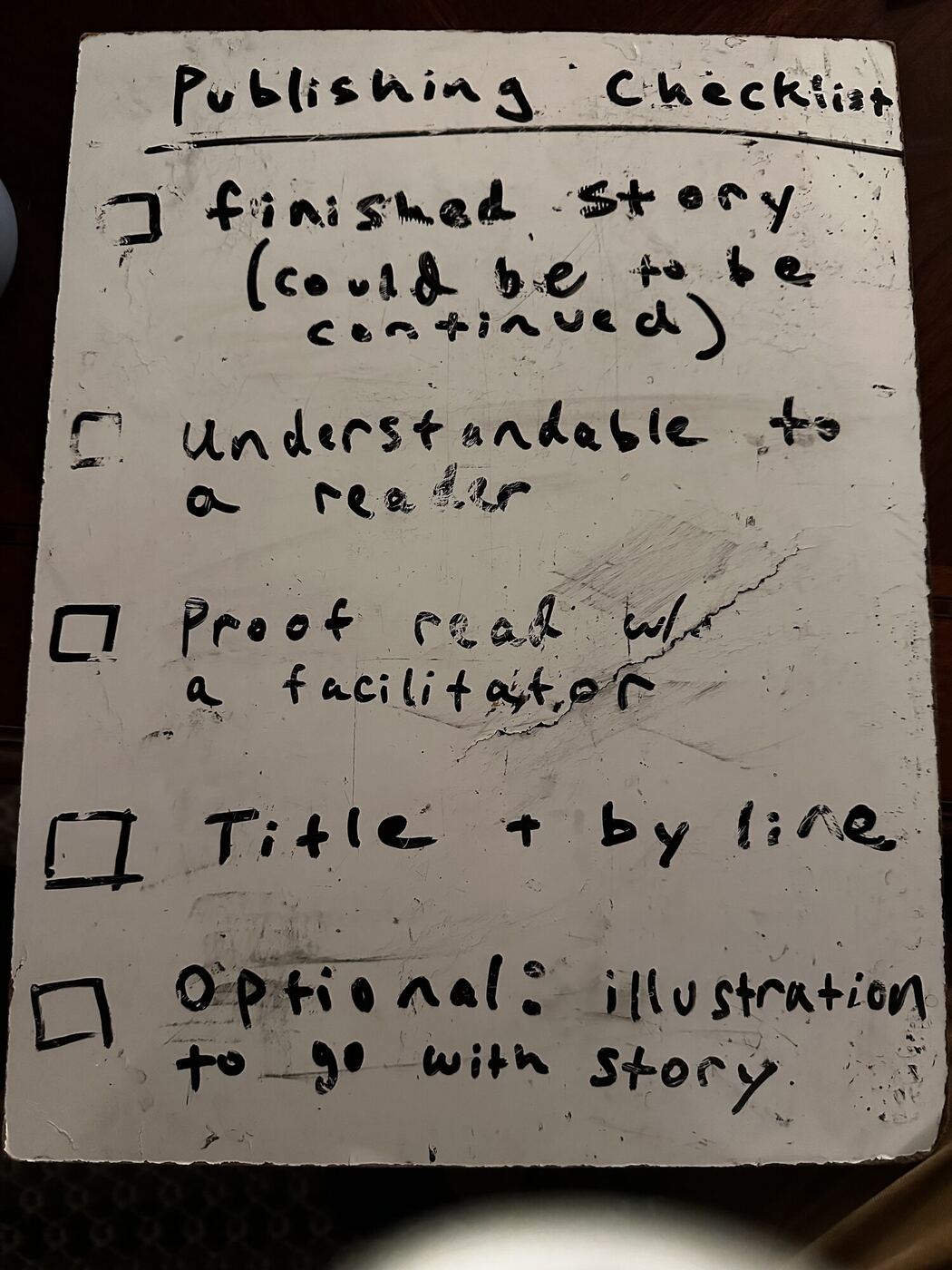
The writers worked out what a reader needs to know at each point in a story, then got to work: comics, straight prose, all of it spooky. Three weeks later came the publication checklist. A finished story, which could end to be continued. Understandable to a reader. Proofread with a facilitator. A title and a by-line. An illustration, optional. The zine went to press that week.
Language Arts · Visual Arts · Narrative Planning · Self-Editing · Storytelling
Paper airplanes
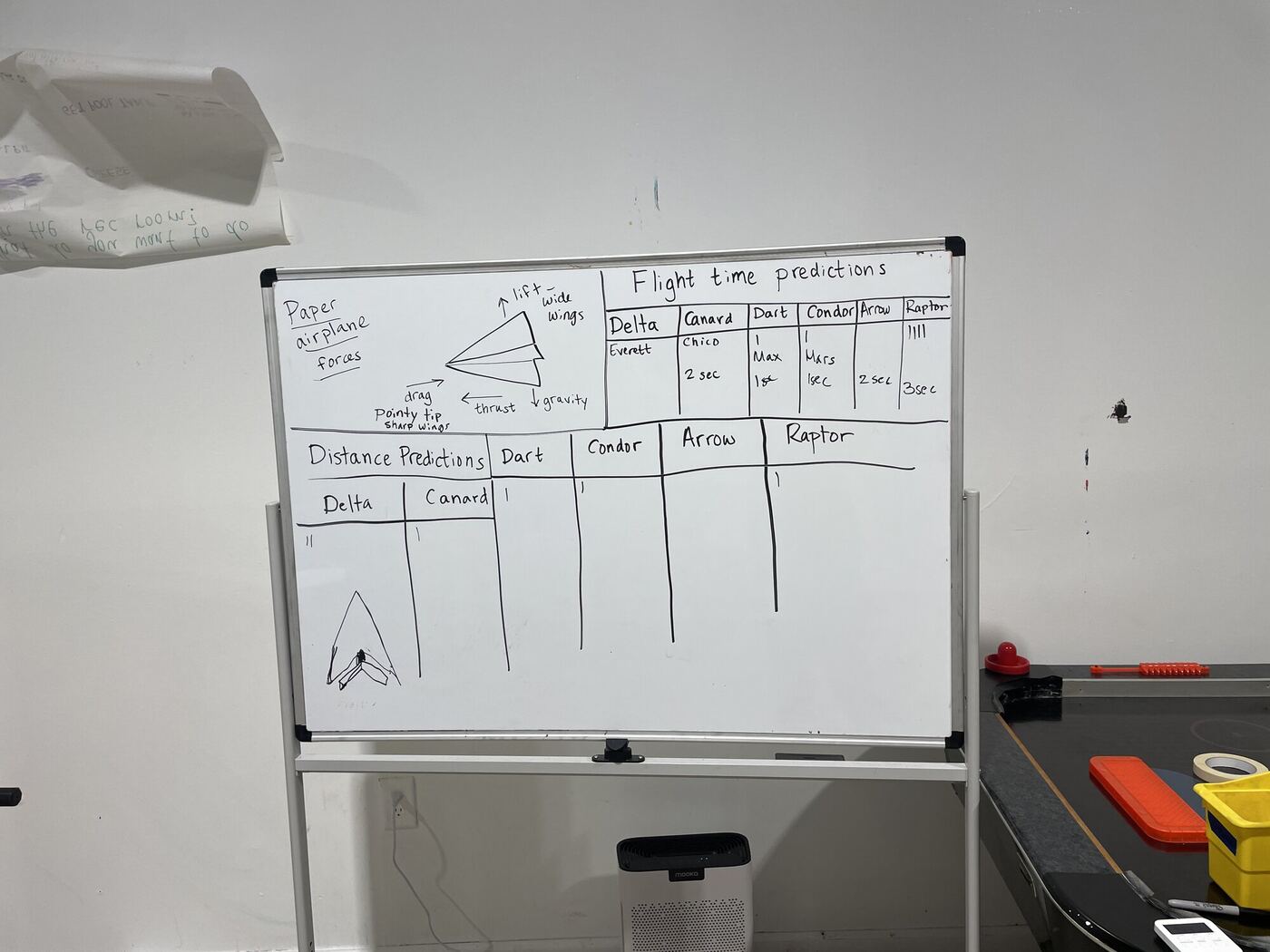
A video first, on the forces that balance when a plane is in the air. Then six folds, and predictions on the whiteboard for which would stay up longest and which would go furthest. Then the test flights down the room. At the end everyone made a fold of their own and flew that too.
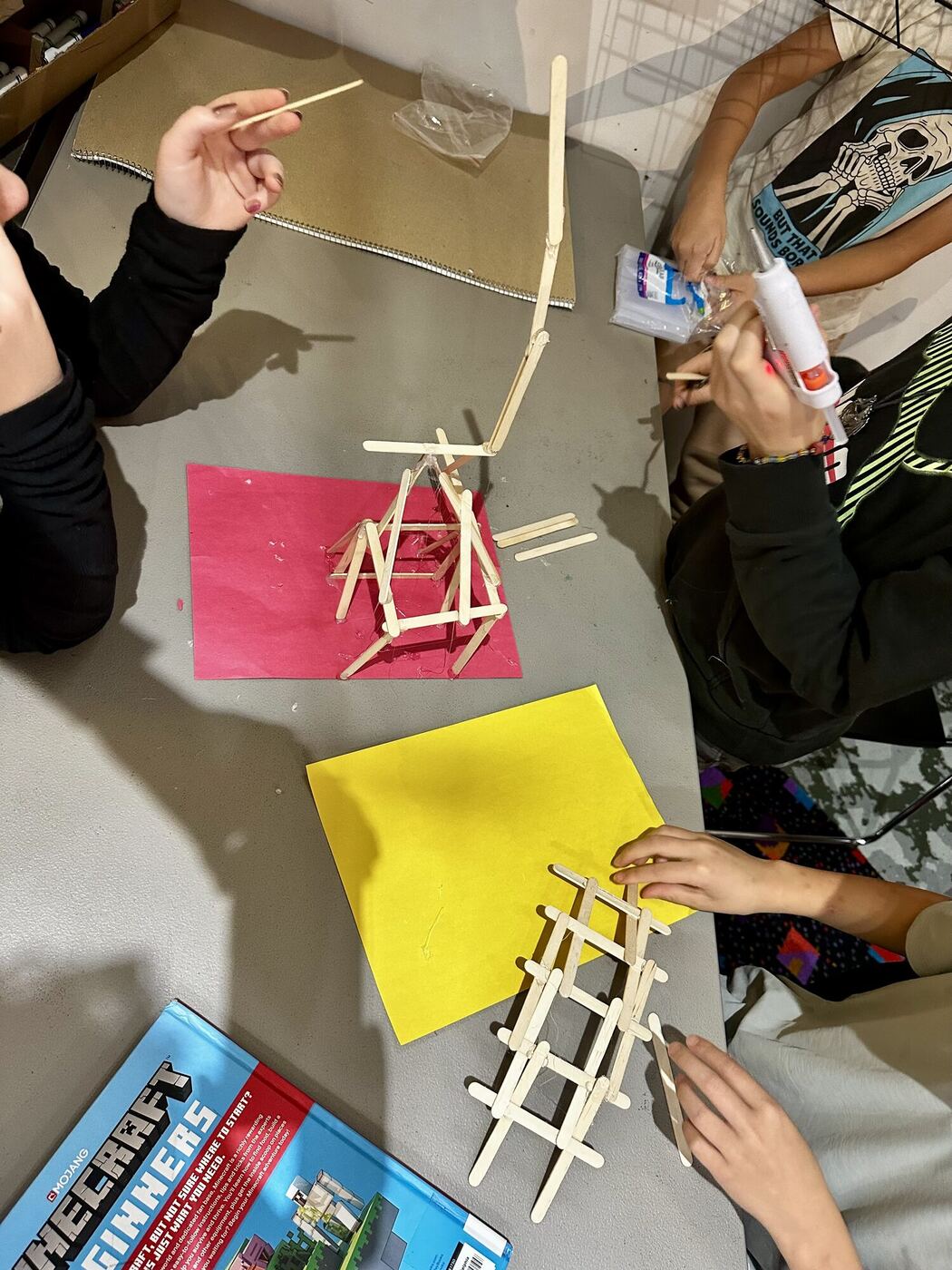
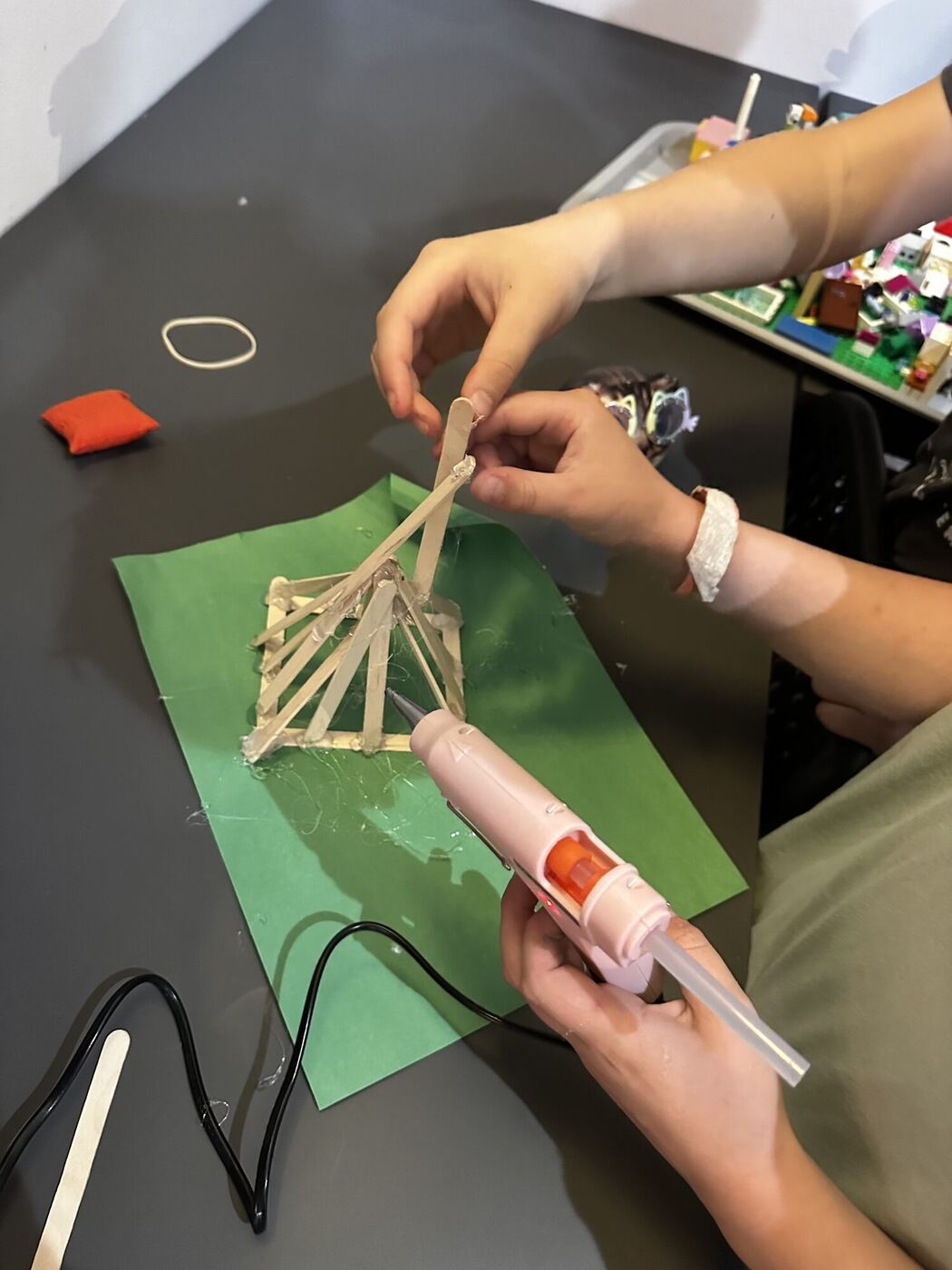
The tower challenge allowed twenty-five sticks and hot glue. Some designs were pulled apart and rebuilt from scratch.
Also in October
Scone day had four flavors: apple cheddar, cheddar jalapeño, apple cinnamon and chocolate. Chocolate won by a lot.
For the bake sale they doubled the recipes using fractions, wrote the menu in Spanish too, and gave the money to an animal shelter.
They measured and taped out a four-square court in the rec room, then painted it. For a lot of them it was their first time with a paint roller.
The new sewing machines came out. The first things made on them were tote bags, from old bed sheets.
One small group, called the Chicks, met the actual chicks.
At the start of a talk about fairness they said fair meant equal. By the end they said it meant everyone gets what they need.
November
71 entries
The art museum
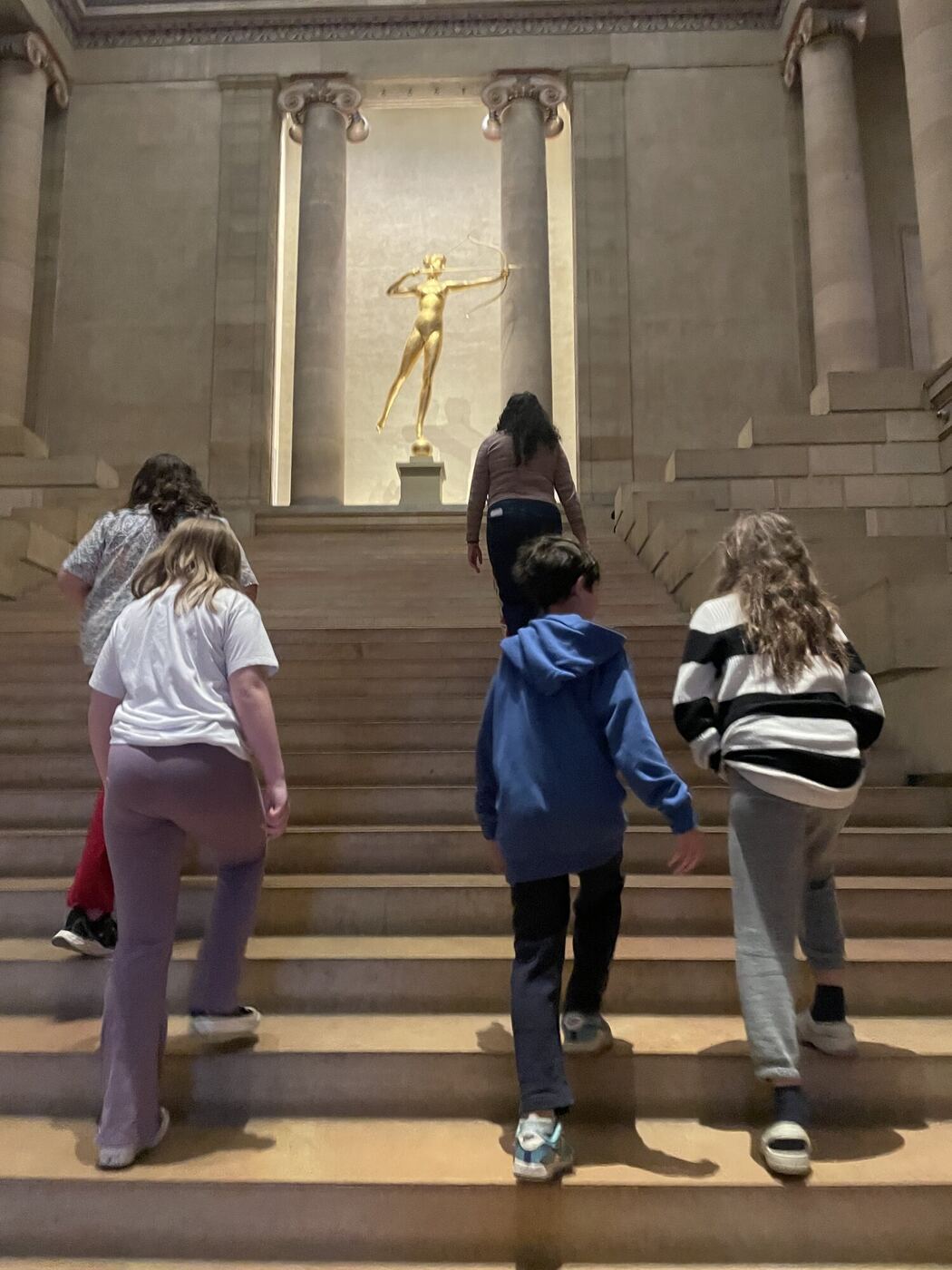
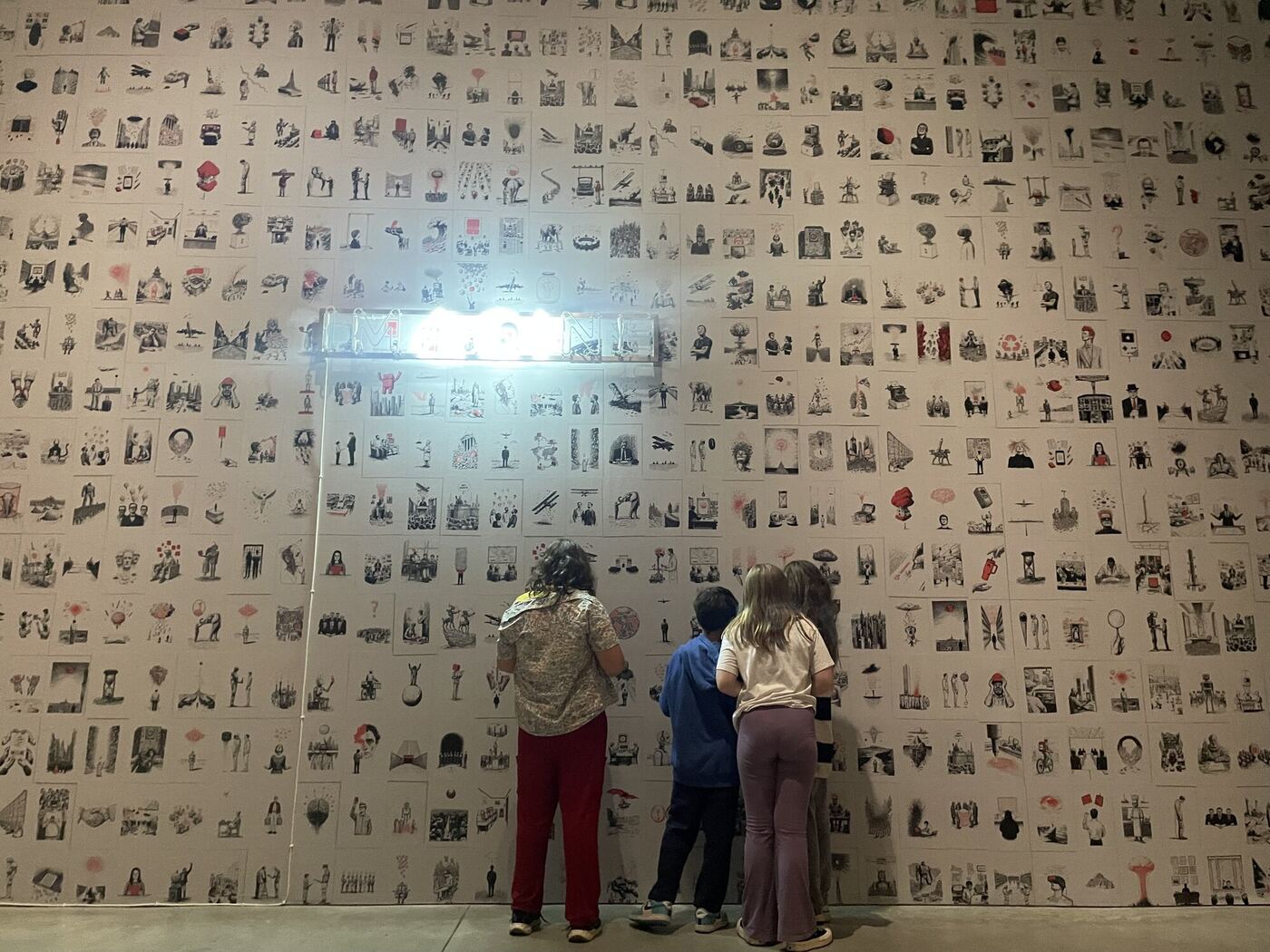
The flying squad took two buses across the city to the art museum, with agreements made before they set off and held all day. They saw a photography exhibit together, then the teens went off on their own while the rest headed for a ceremonial teahouse. Afterwards: what they liked and did not, and why there is so much nudity in art.
Art History · Cultural Studies · Group Negotiation · Independent Exploration · Critical Thinking
Also in November
Five of the seven eggs in the incubator hatched. A parent helped the kids open the other two.
The spooky zine launched with punch and eyeball ice cubes, and the writers read their stories aloud.
They found out that a rope with twelve evenly spaced knots makes a right triangle, with sides of three, four and five.
Staff from a city park showed them how to save seeds. The dill they sorted went into a public seed share.
The youngest group learned that for every person on earth there are at least a million ants.
December
57 entries
Rec room certification
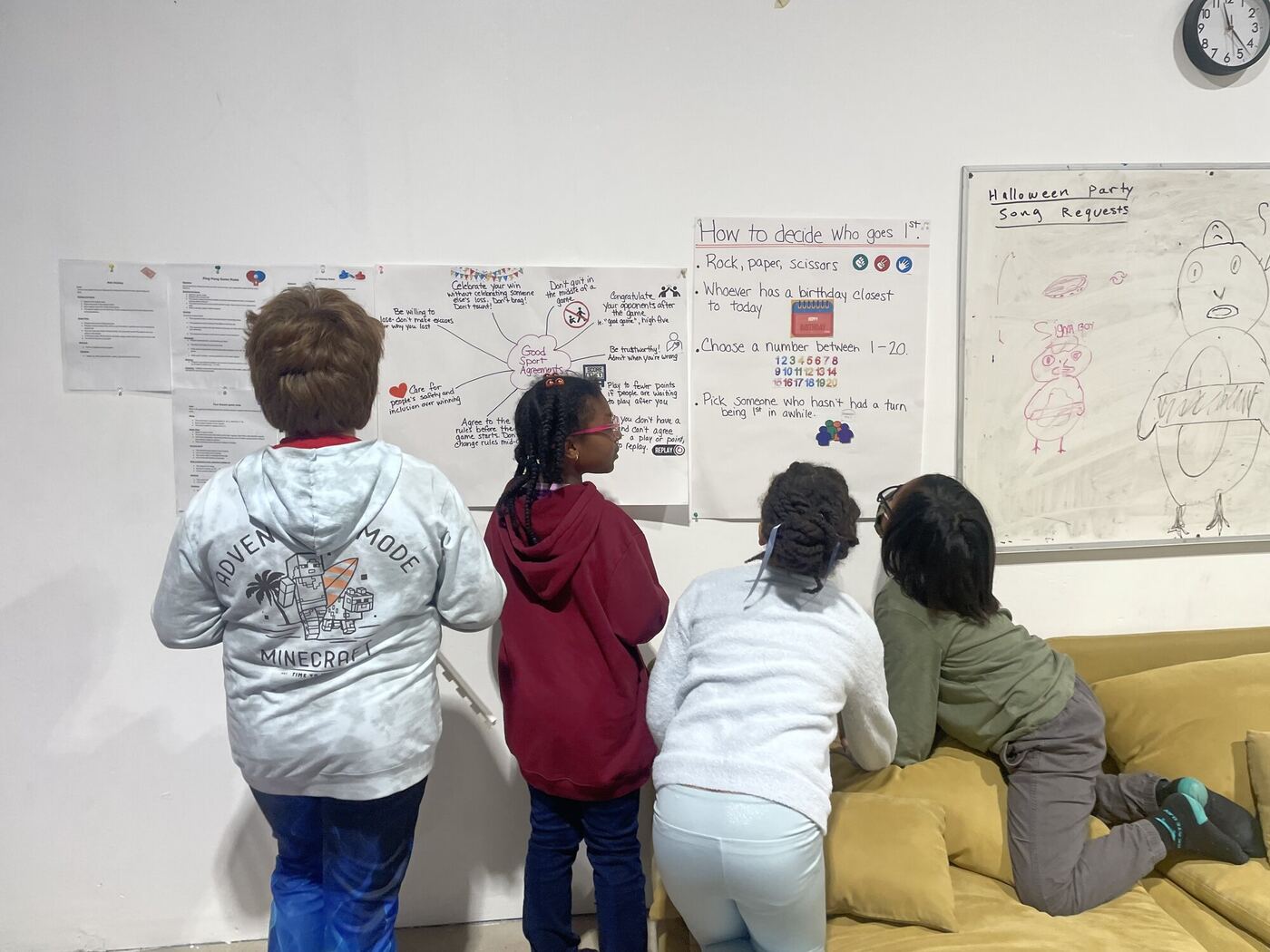
To use the rec room whenever you like, you get certified. The training covered how to look after the supplies, how to reset the room after using it, how to handle game rules and the variations people bring, and a set of agreements about being a good sport. A lot of people got certified that day.
Social Studies · Self-Regulation · Interpersonal Communication · Recreational Play
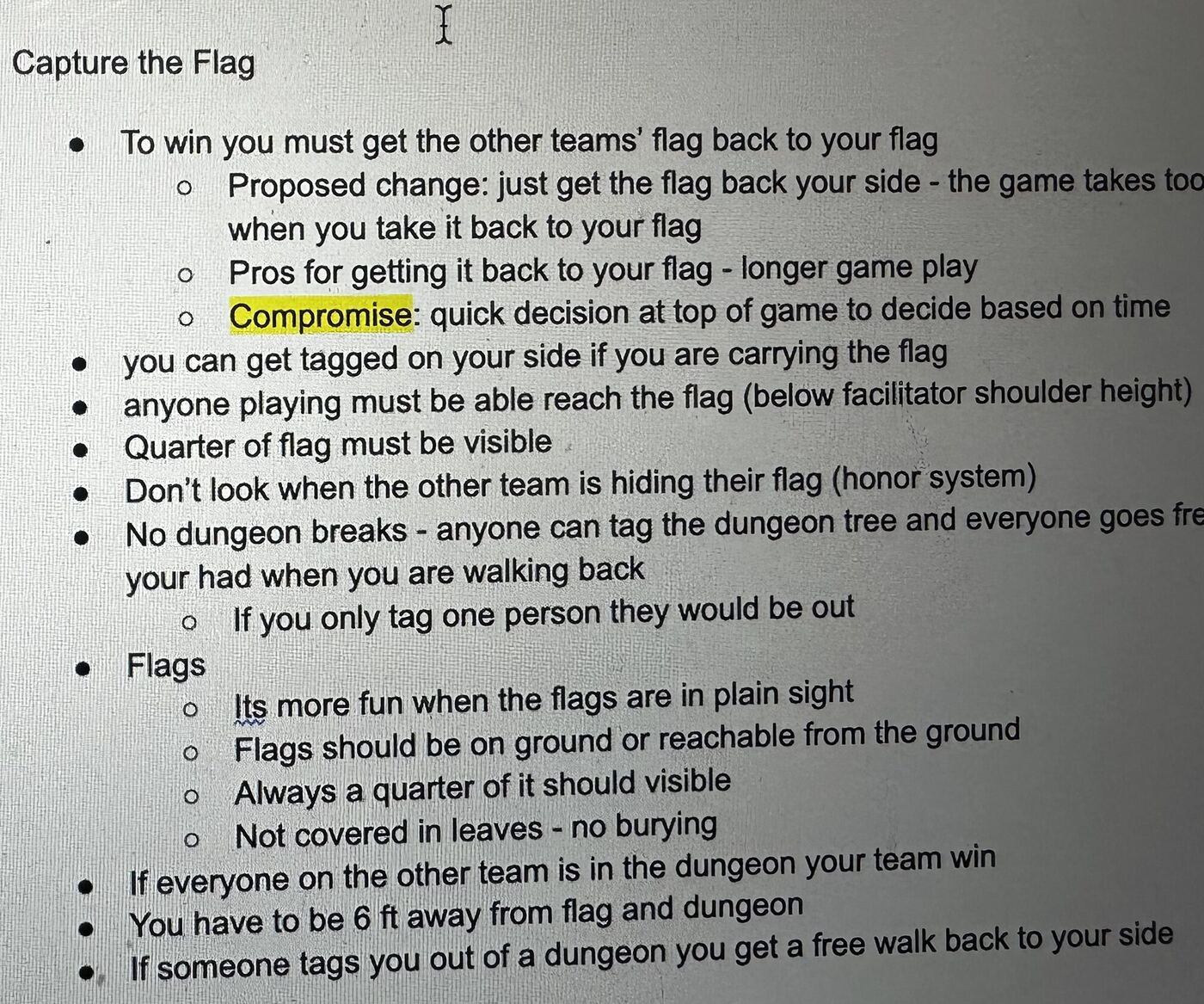
A run of game-rules meetings finished the capture the flag rules. They wrote agreements for referees, and a way to challenge a rule you think is wrong. One disagreement was settled with a compromise.
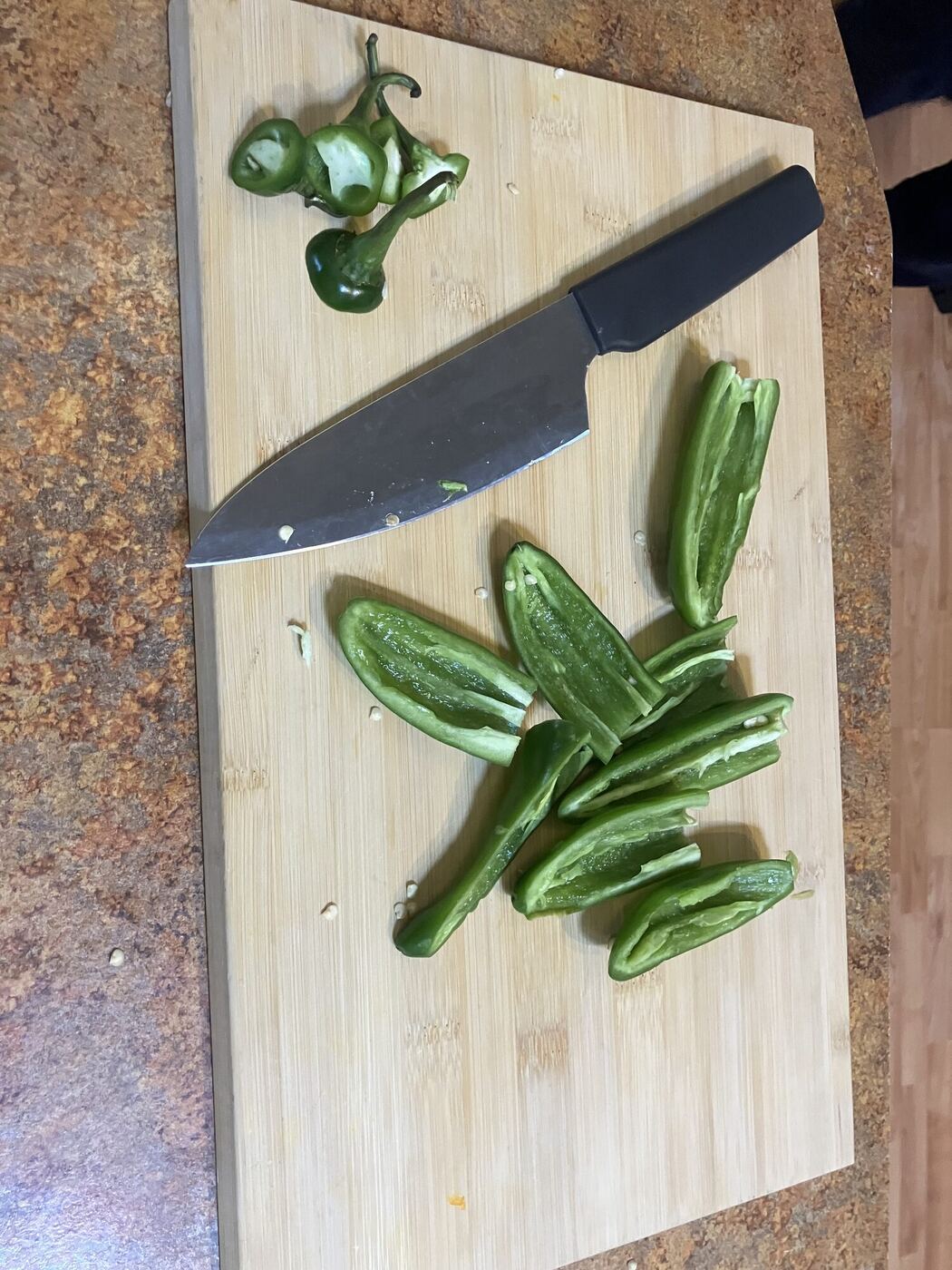
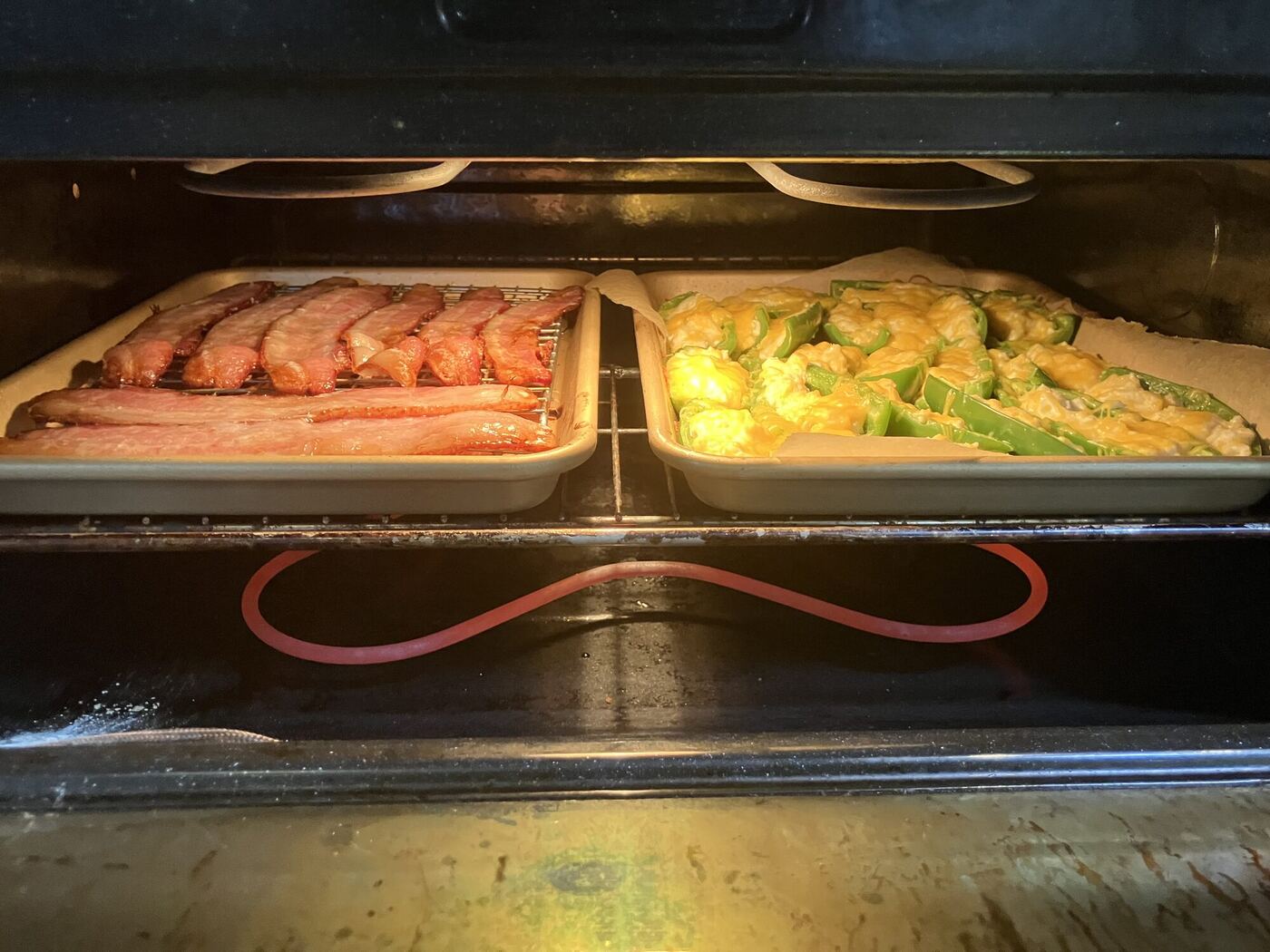
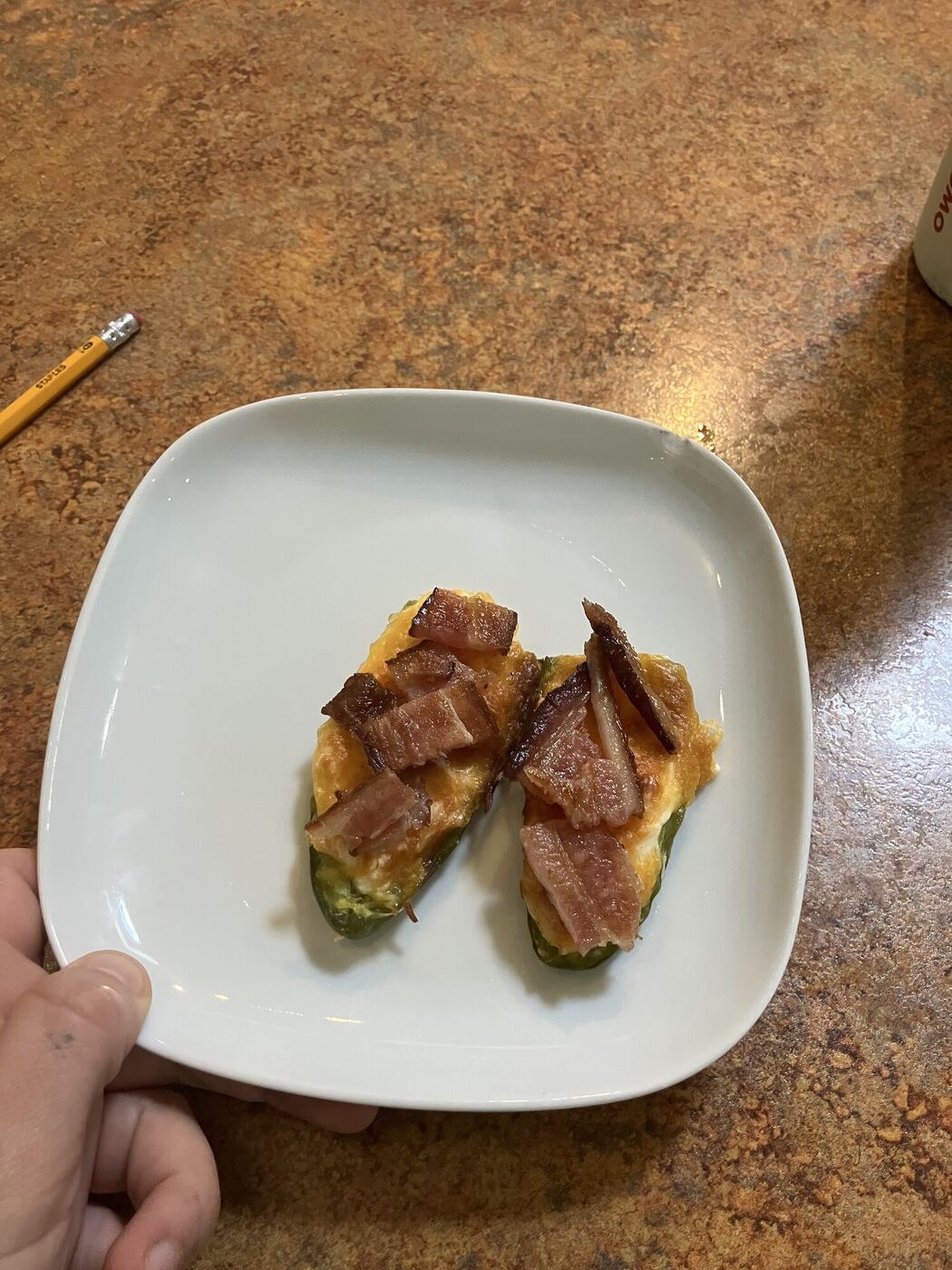
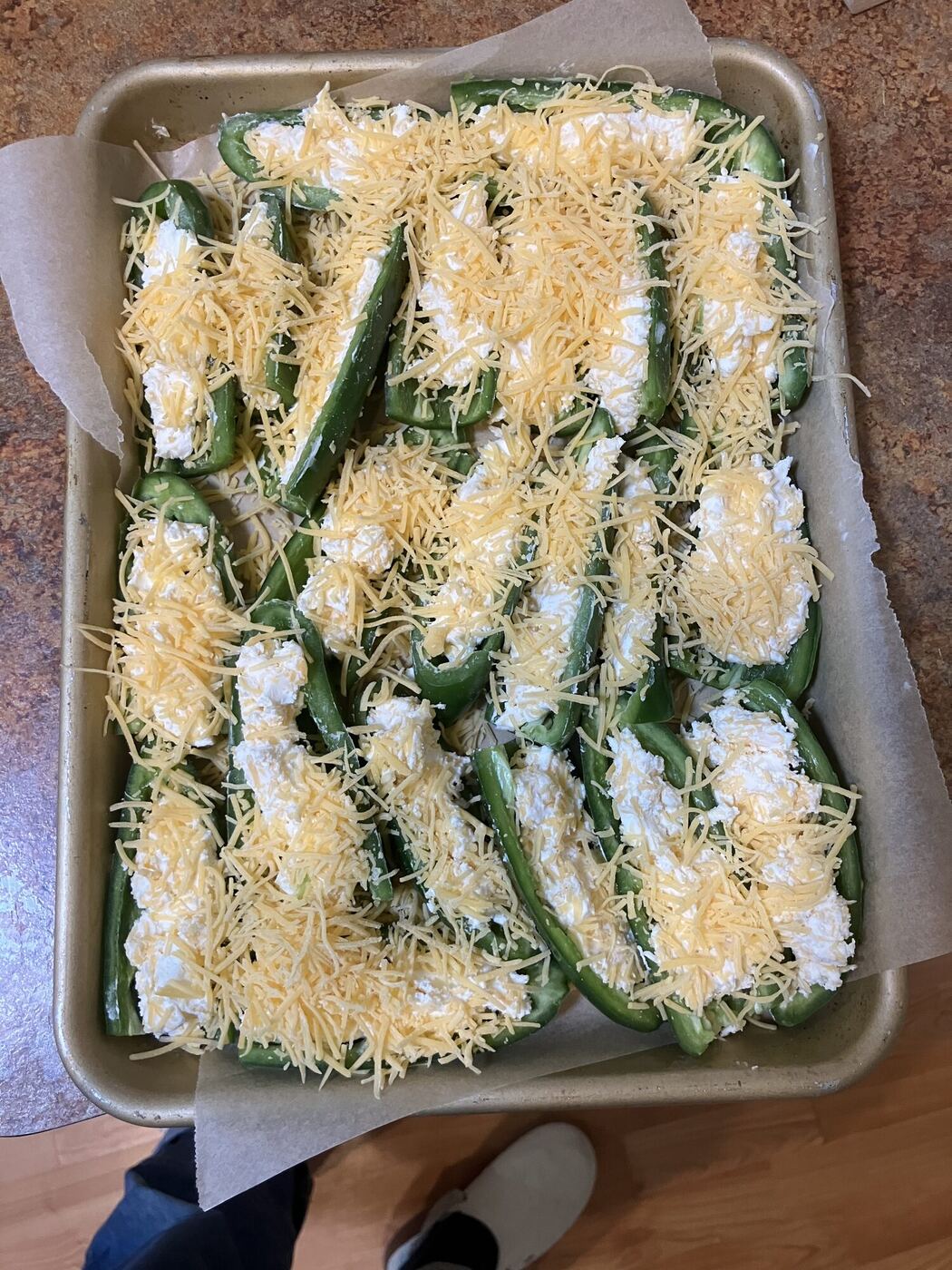
Knife skills on spicy peppers, the seeds taken out safely, the oven managed by the cooks: jalapeño poppers.
Also in December
Math Explorers built models of four-dimensional shapes out of dry spaghetti and mini marshmallows.
In a lesson on levers they went looking for levers in their own bodies, and found one in the mouth.
A small group made up definitions for tricky words, and noticed the same root in loquacious and grandiloquence.
The youngest group took turns tapping a spoon on plastic, glass, wooden and metal bowls while everyone else guessed which was which.
A new book club for the younger readers agreed to read each chapter aloud and stop to talk after it.
Comedy club finished casting after auditions. The props committee met for the first time.
January
88 entries
At the park, three of them asked for a meeting to be put on the calendar, so the group could revise two of the capture the flag rules.
The wildlife art contest
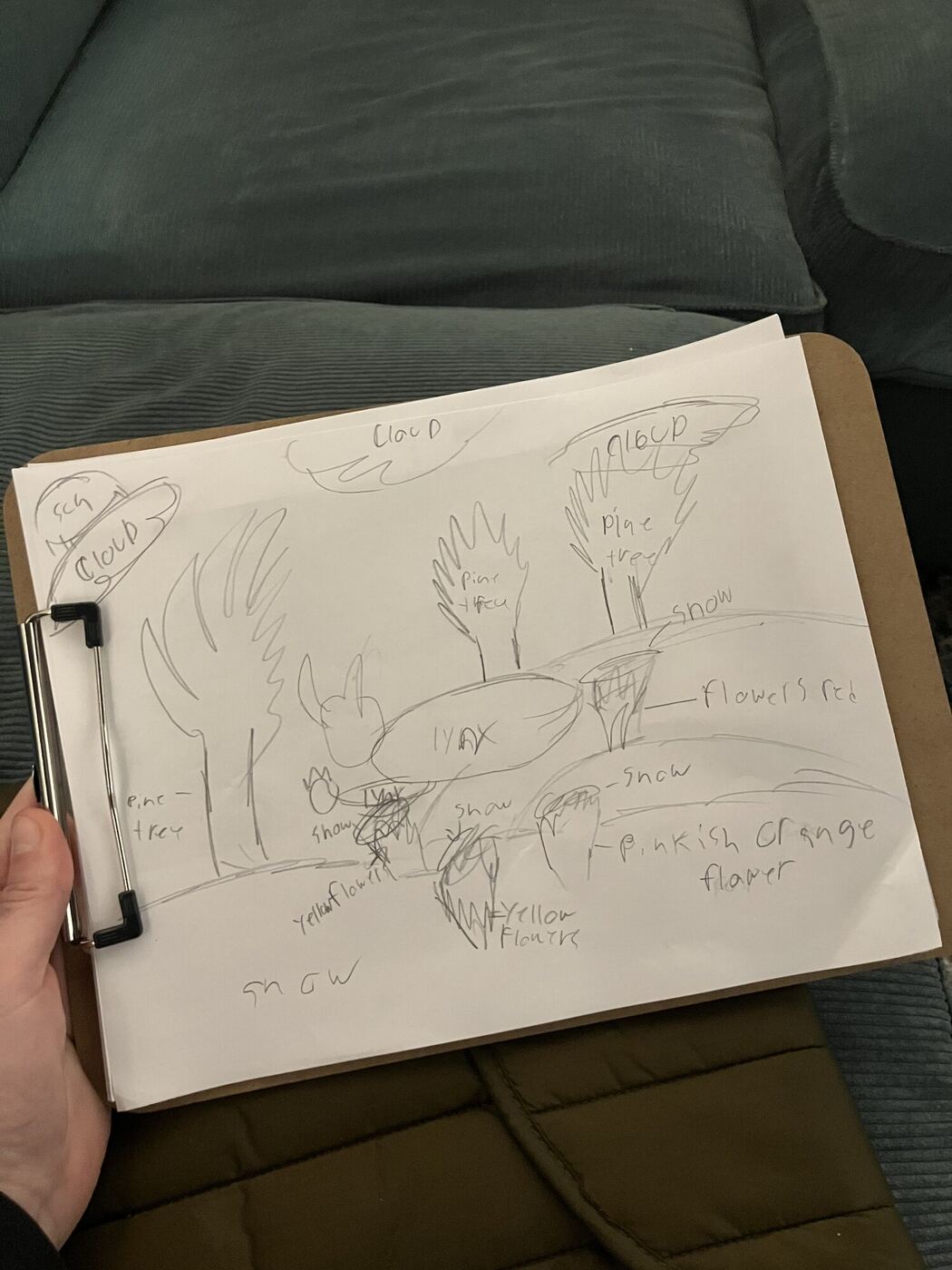
An animal welfare fund was running an art contest for young people, and the theme was medicinal and aromatic plants. They chose the animals they wanted to paint, a capybara, a lynx, a tiger, a leopard, and researched the plants that grow where those animals live and what the plants are used for. Then sketches, color palettes, and painting over the Mondays that followed.
Visual Arts · Biology · Research · Creative Problem-Solving · Wildlife Conservation
Also in January
They grew shiitake mushrooms, misted them most days, and baked the harvest into little crostatas.
On Three Kings' Day they shared a rosca, and a few of them found the hidden baby in their slice.
On a pigeon tour they learned that pigeons are doves, and practiced pigeon calls.
Woodshop began a six-week build of a book-sharing box, starting with cardboard prototypes.
The Great Snack Debate opened by agreeing on which foods count as snacks.
One small group chose its first community project: sugar cookies and vegetable stew for the community fridge.
February
79 entries
Nonfiction club
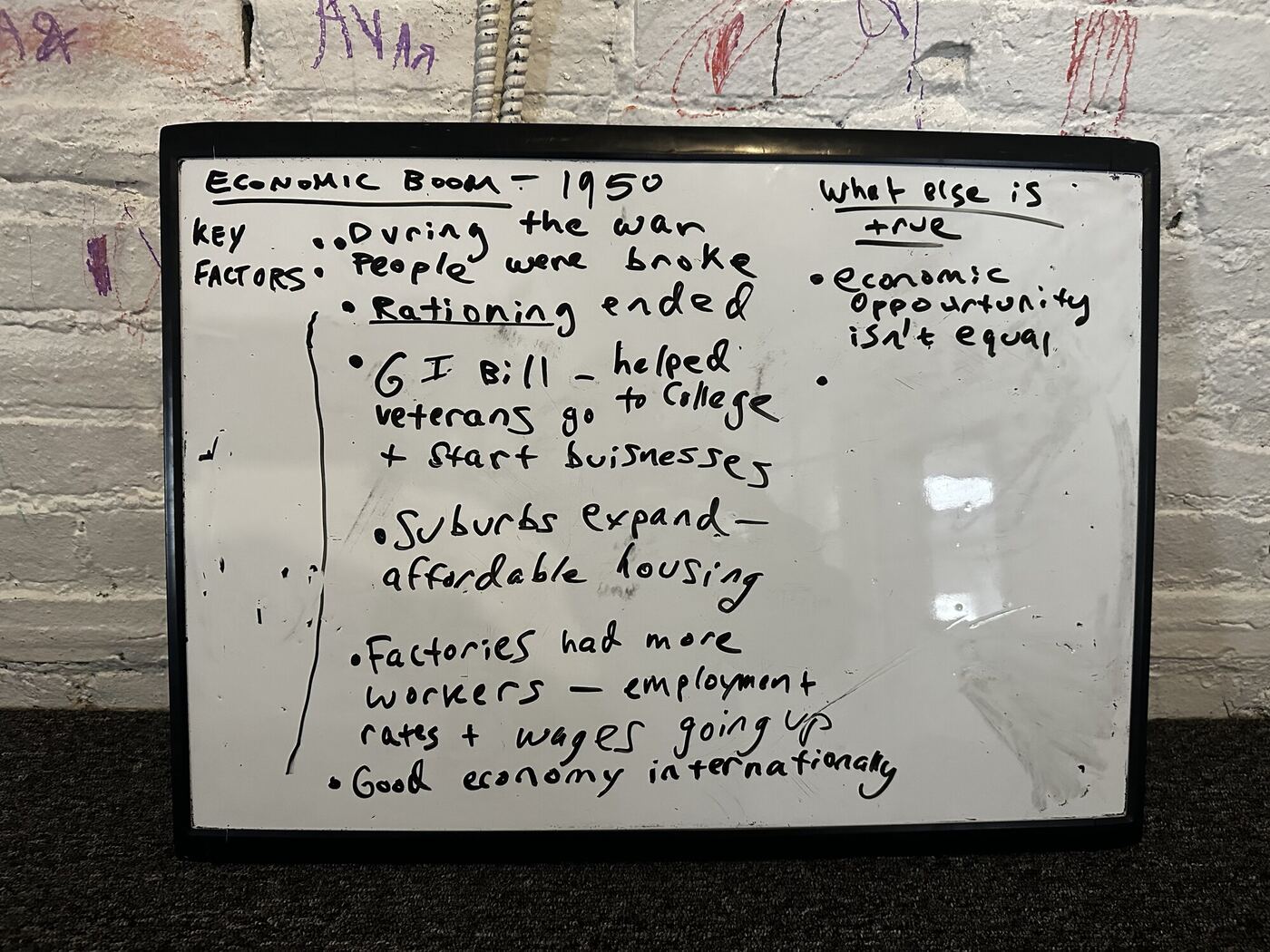
The teens' nonfiction club took the economics of the 1950s, a topic one of them proposed. First an article that tells the usual story: the middle class growing, the suburbs, more jobs for some. Then one that showed inequality rising in the same years, unions weakening, and prices setting up the hardship of the decades after. They finished with a film on how the gap between who got the opportunities and who did not laid the ground for the civil rights movement.
Economics · Social Studies · Critical Thinking · Collaborative Discussion
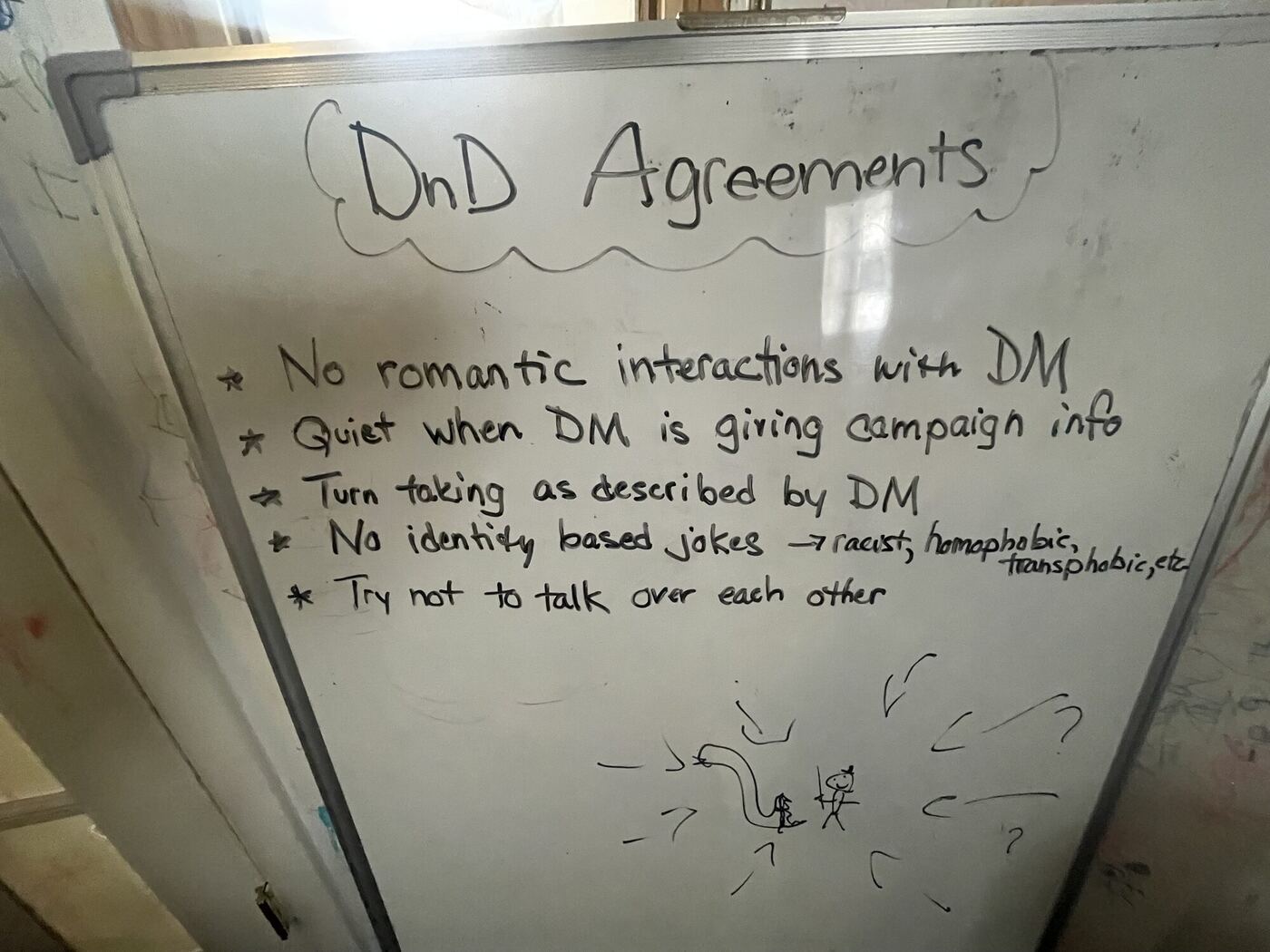
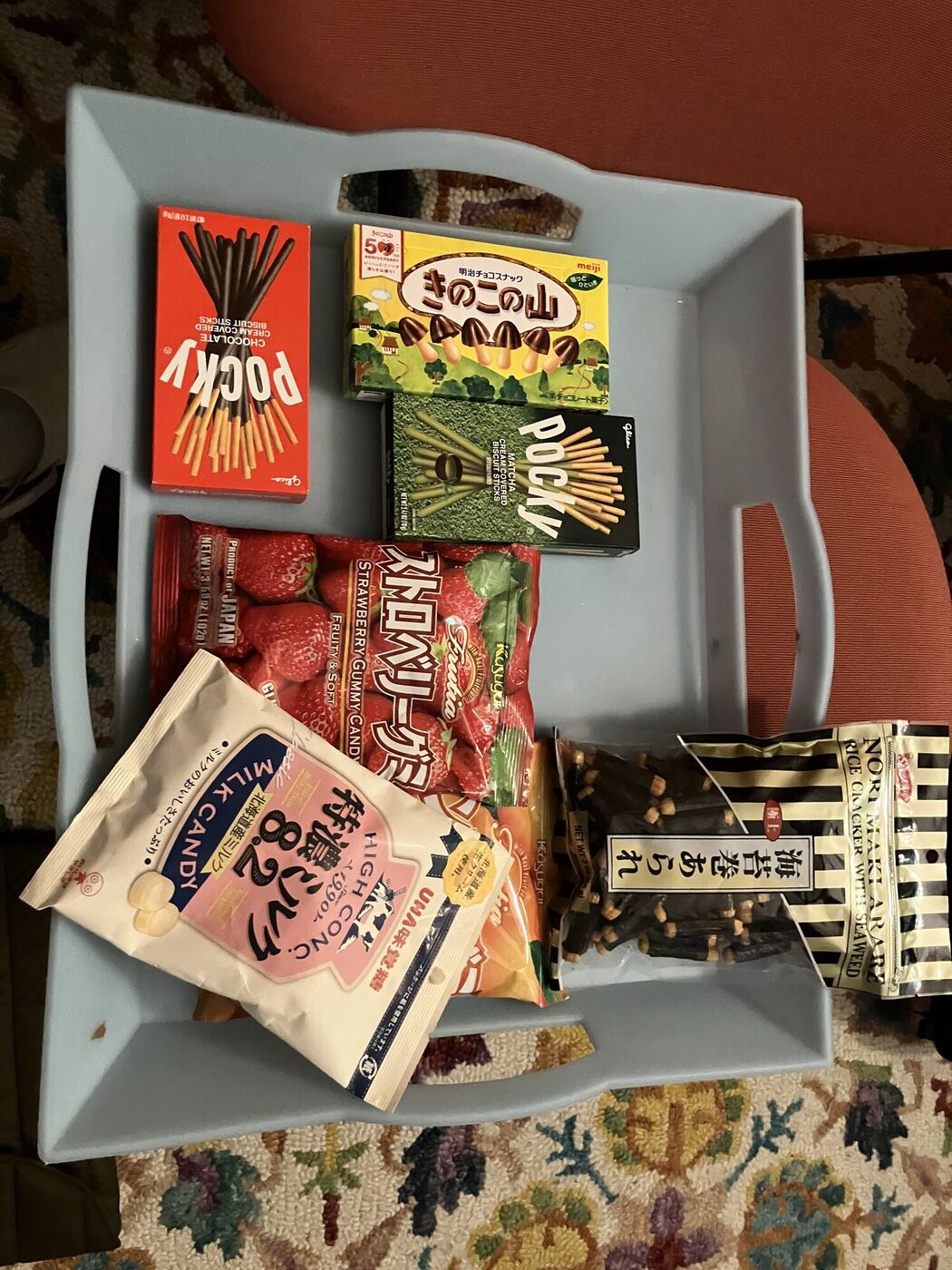
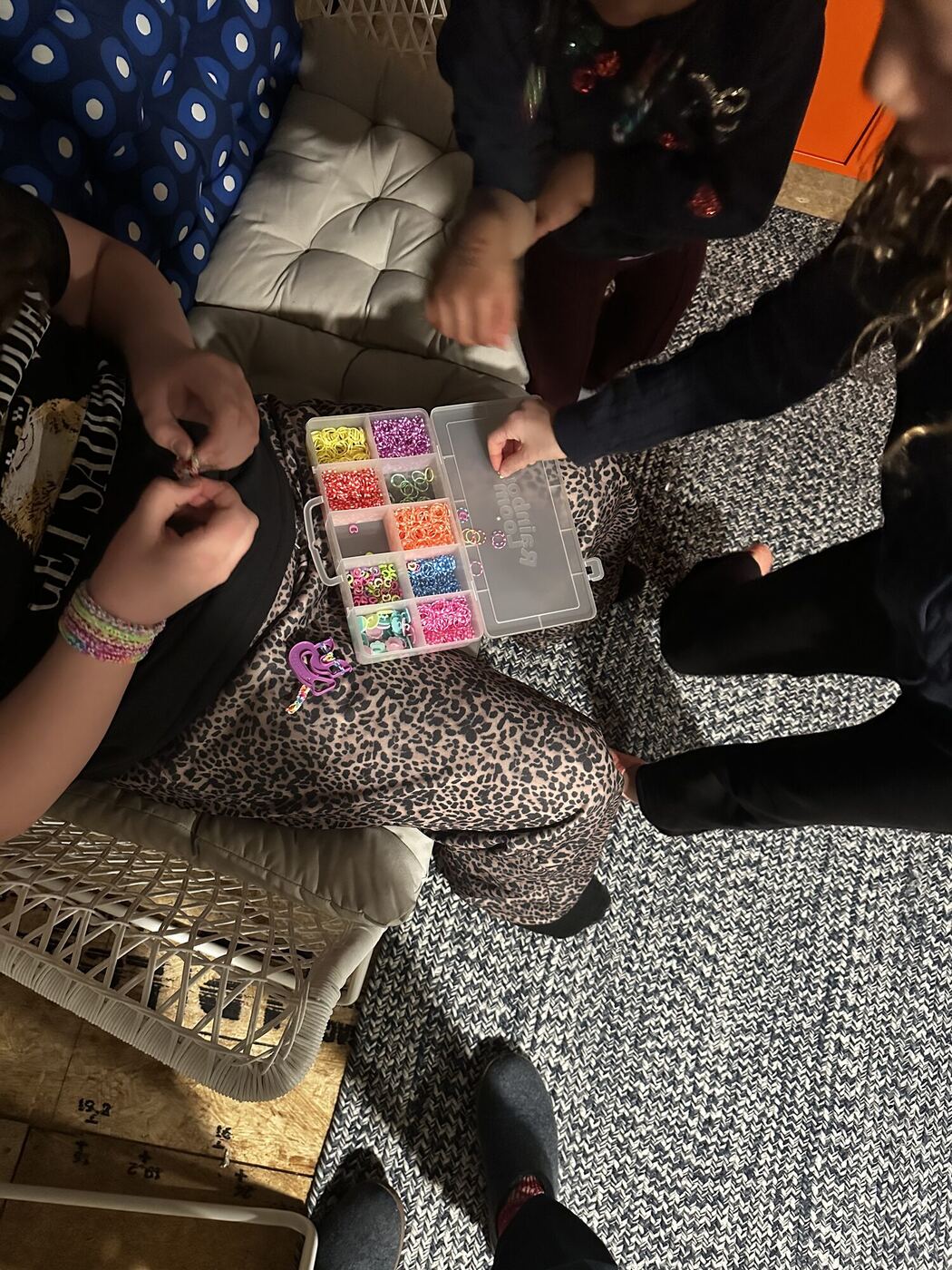
The tween role-playing group reset its campaign with a new set of agreements. The teen manga club tried new Japanese snacks every week. A bracelet kit came in, and a morning went to making bracelets for other kids.
Also in February
Under the microscope: honeybee wings, roly-polies, and chicken blood beside human blood.
Comedy club needed a lot of bananas for one skit, so they baked banana bread for the Valentine's party.
Everyone in the youngest group who made Valentines agreed to make one for every child.
The Art of Math project started: rebuild a painting from the art museum in three dimensions, in the same proportions.
Hand sewing with embroidery thread, every Monday afternoon.
March
91 entries
They voted to name the comedy magazine after an ice cream machine famous for breaking, because the magazine only comes out once a year.
Language Arts · Humor · Collaborative Decision-Making
Knit and purl
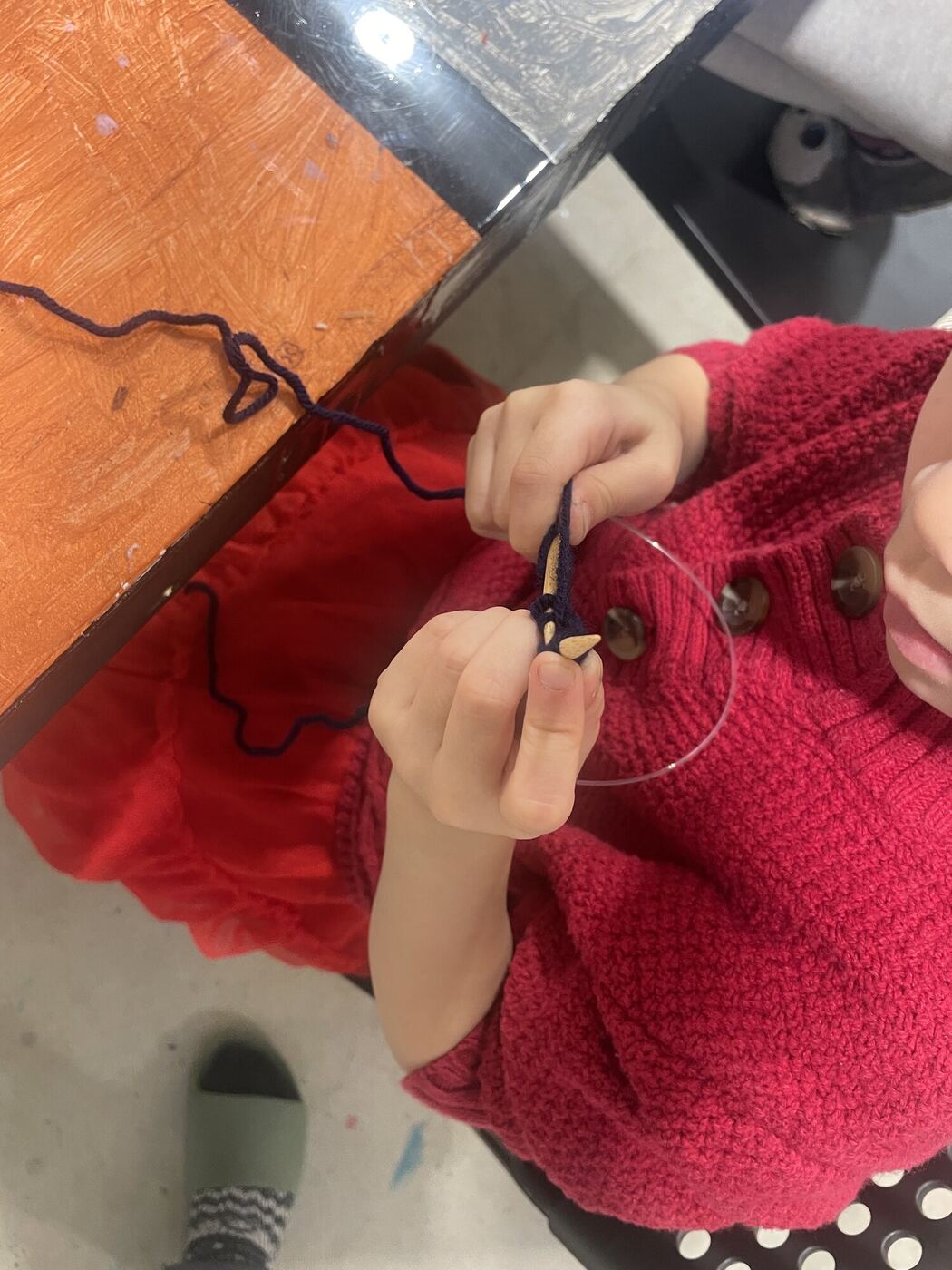
A volunteer comes on Thursdays to teach knitting. Knit and purl first, on a swatch, to work out the measurements each of them would need for a hat of their own. Learning it was frustrating, and they kept at it. By the end of April two of them had done the arithmetic for stitches per inch on an eight-inch scarf, and were knitting scarves.
Textile Arts · Mathematics · Measurement · Perseverance · Knitting
Also in March
In the mold experiment, the mashed blueberries went moldy and the whole ones stayed clean.
For Art of Math, every object had to be 1.43 times the width and height of the printed picture.
They rinsed the gravel and put together the filter for the aquaponics tank themselves.
The chickweed grilled cheese was a hit. The chickweed pesto had too much garlic.
Letters arrived from pen pals in Texas, and they learned how to address an envelope.
At cornbread day they negotiated who got the popular job of cracking the eggs.
April
75 entries
The younger kids used ranked-choice voting to narrow down a theme for the dance. The teens chose the decorations on a fifty-dollar budget.
A group walked to the market street, stopped at the stands and a tortilla shop, and made guacamole back at the building.
To work out what a sentence is, they compared "the happy dog" with "the dog is happy".
They built a tree out of a coat rack, cardboard and branches, to hang their wishes for next year on.
The herb club bottled its chickweed tincture, made violet syrup, and candied the violet flowers.
The youngest group skip-counted the cookies in a picture book, worked out that everyone would get three, and argued over whether three is a lot.
A group built its own campsite in the park from supplies they collected.
After watching the first footage, comedy club agreed to rewrite the ending.
The young readers finished their book and wrote a review together. Six stars out of seven.
The coding groups each chose a problem to work on, including litter, animals with no home, and the lack of places for teens to meet.
May
53 entries
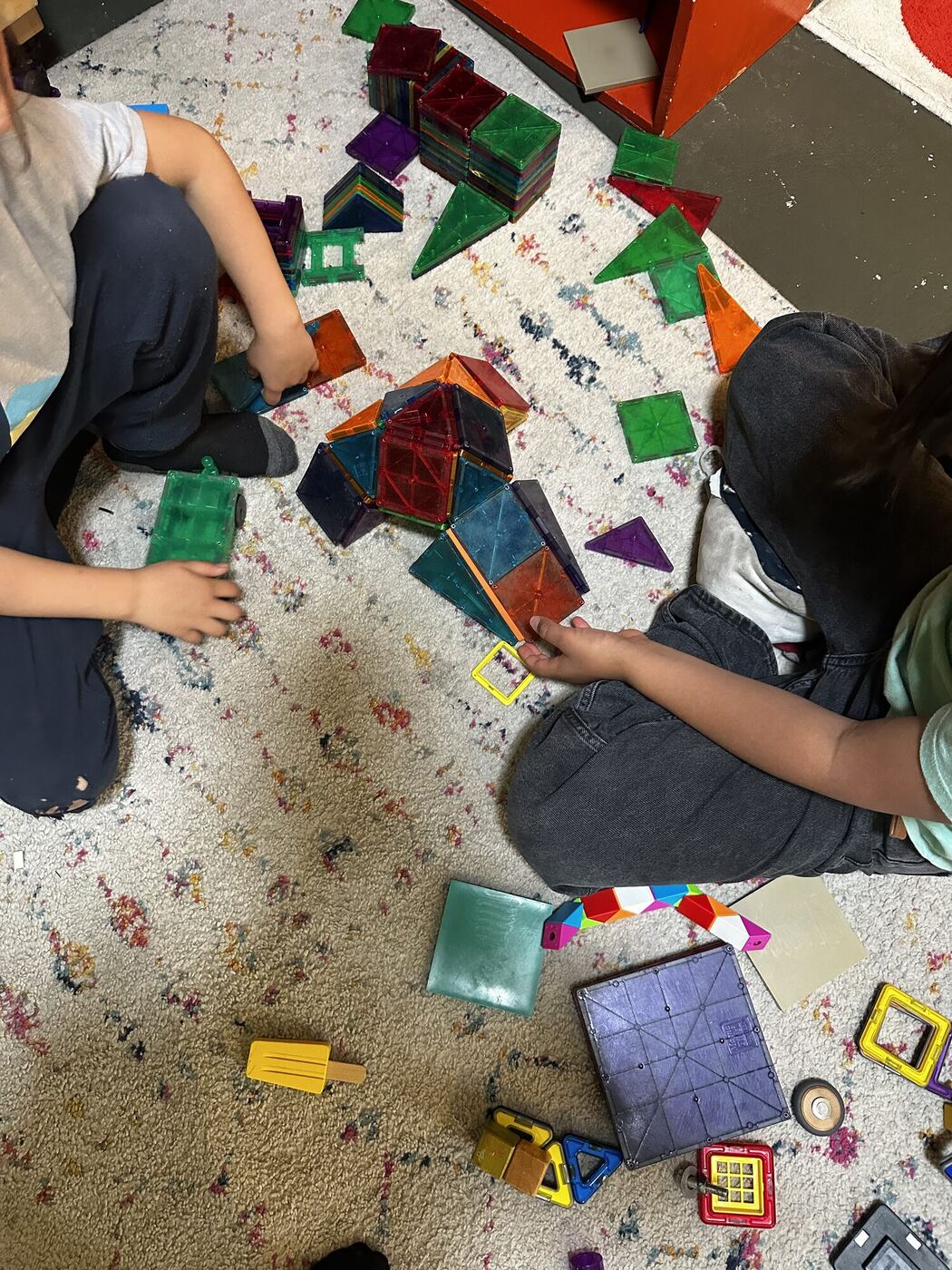
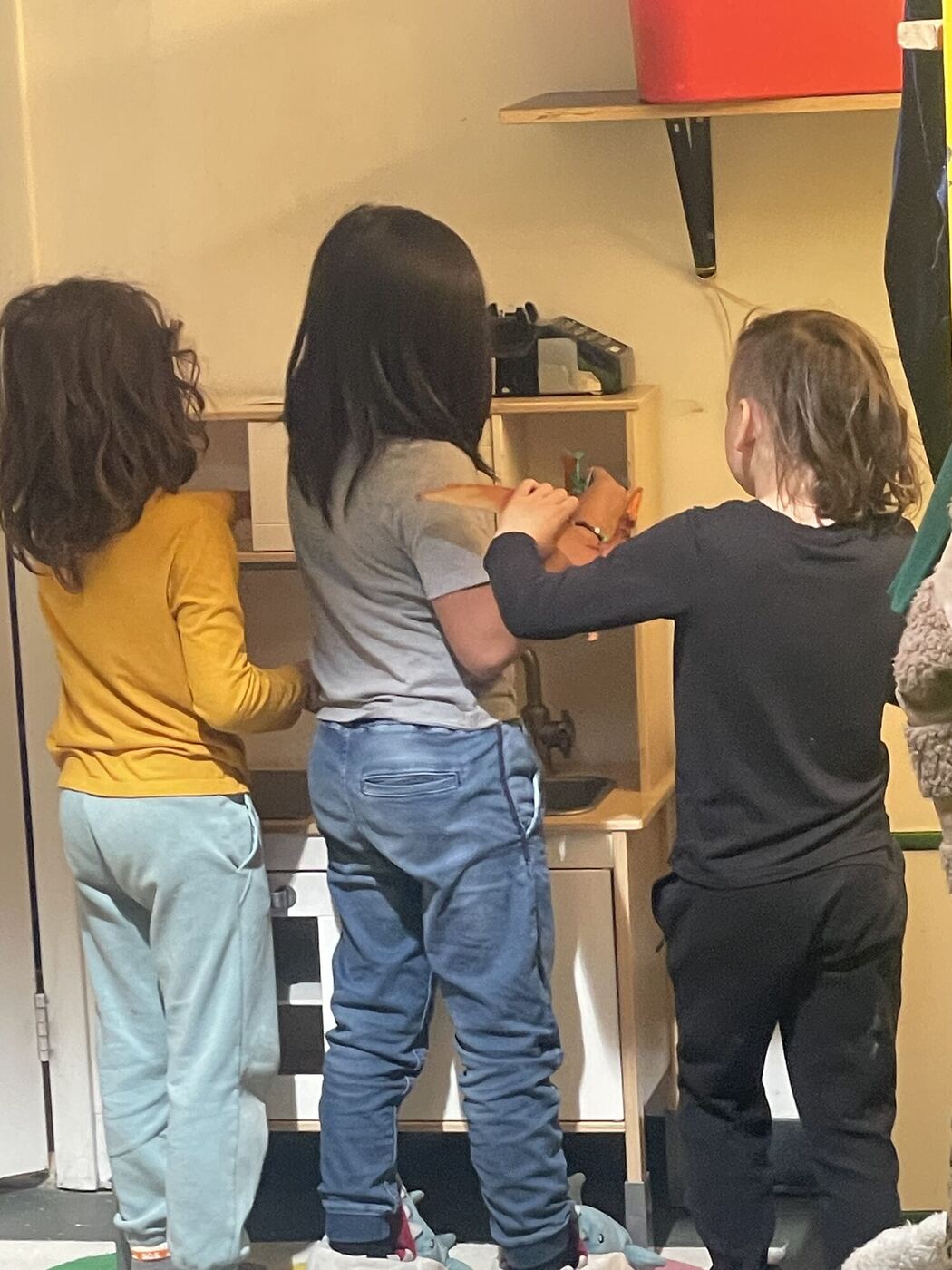
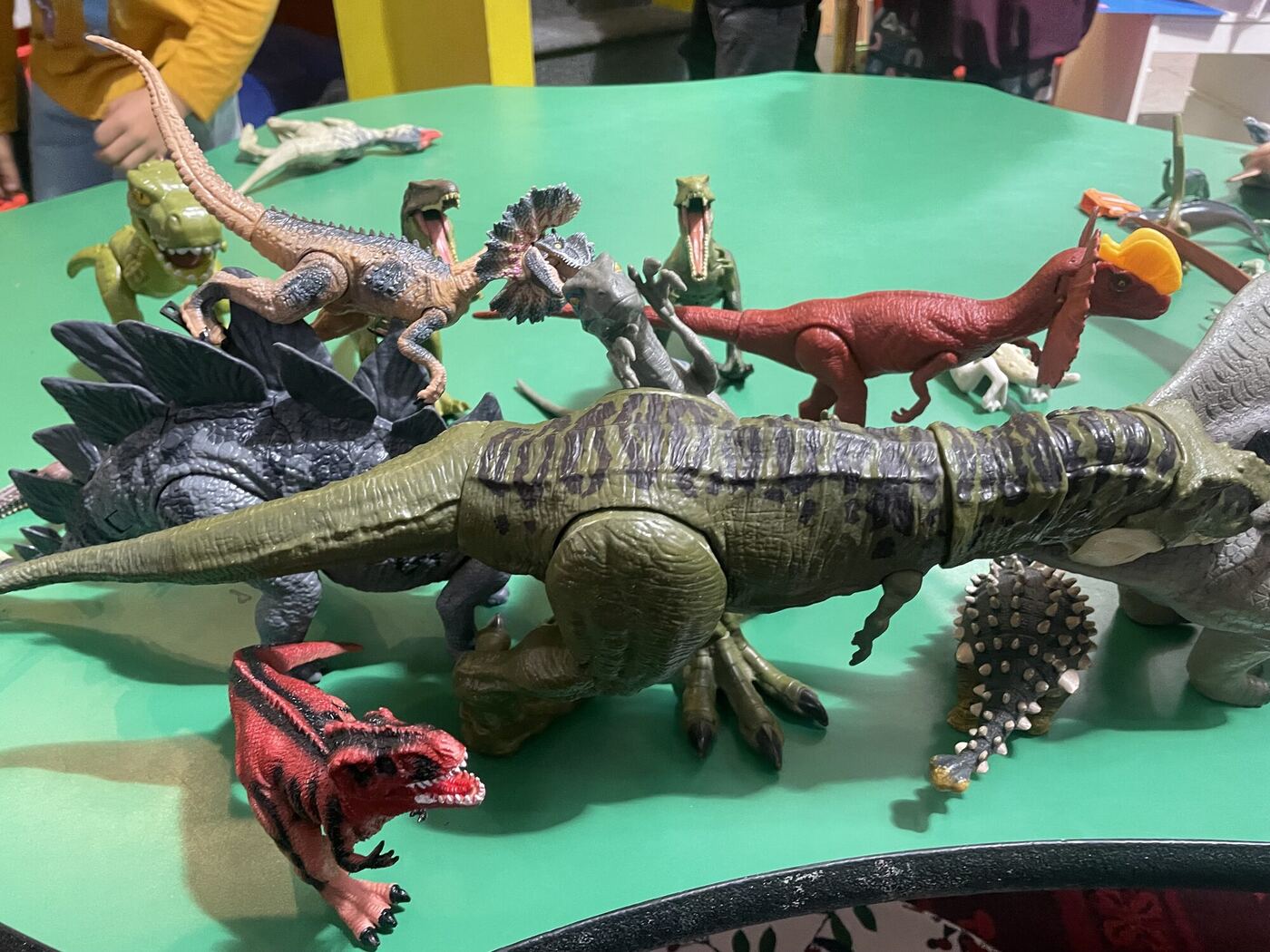
When a box of donated dinosaurs arrived, a few of them spent almost an hour voicing them in one long story. Two builders decided their magnet-tile building would break if they moved it, and knocked it down together so everyone could go to the park.
Four square used to end in arguments. After several rules meetings, the kids were refereeing their own games.
Also in May
On a french fry tour they tried four places in the neighborhood and scored each one on crispiness, seasoning and size.
For the space play one group painted a spaceship and another invented alien sound effects.
Coding groups pitched their apps: the problem, who it was for, the features, and how it could pay for itself.
They decorated birdhouses to hang in front of the building.
June
12 entries
On one day in June, comedy club showed its sketch a last time and got its laugh, the theater group ran its own sets, sound and lights, and the young readers finished their last book.
Down the block, a neighbor let them pick juneberries. They left a thank-you letter and made the berries into little hand pies.
The chess tournament was set up so that everyone got a game, and the winners could then choose to play each other.
In the 2025-26 year
689
entries, written by the people who were in the room.
5
people wrote them, in the ordinary course of running the place.
48%
of the entries carry two or more subject areas in their Learning Signals.
What the record shows
Reading and writing are the most documented subject of the year, by a wide margin. They arrive through a book club for the younger readers and another for the older ones, a comedy script, a zine of spooky stories, and letters to pen pals in Texas. Social studies comes next, ahead of mathematics, and the topics are chosen by the people studying them: the spring history course happened because a poll asked what they wanted to know more about. The skills that come up most are communication, collaboration and critical thinking, and social and emotional growth is tagged on most of the year's moments, usually in the same moment as the thinking.
About this page
Written down by the people who were in the room.
Every moment here comes from The Dandelion Project's own record: the entries its five facilitators wrote in Prism over the year, a photo and a few sentences at a time. The small capitals under each story are the Learning Signals Prism found in those entries.
“It reimagines a report card in a way; that is more about skill development, youth interests and passions, includes SEL skill building, centers youth autonomy, and documents what self-direction in practice looks like in our space.”
Lauren Umlauf, executive director, The Dandelion Project
Visit
The Dandelion Project
A kids' community space in South Philadelphia for ages 5 to 18. Wild Seeds ALC is at its heart, with an after-school program, a homeschool co-op, camps and a teen program around it.